YOUR CART
IS EMPTY
IS EMPTY

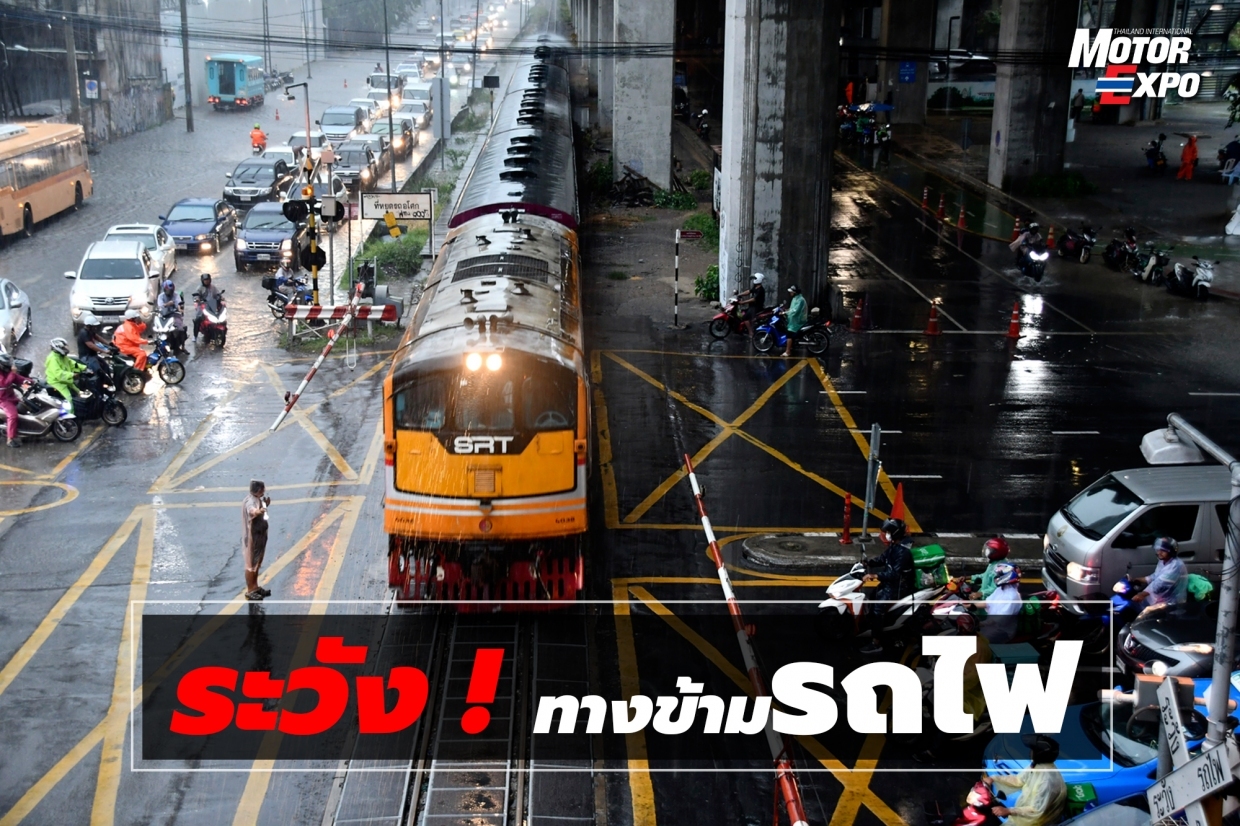
Railway crossings are routes with a high risk of severe to fatal accidents, often caused by drivers' unfamiliarity with the route, lack of skill, and negligence when driving through railway crossings.

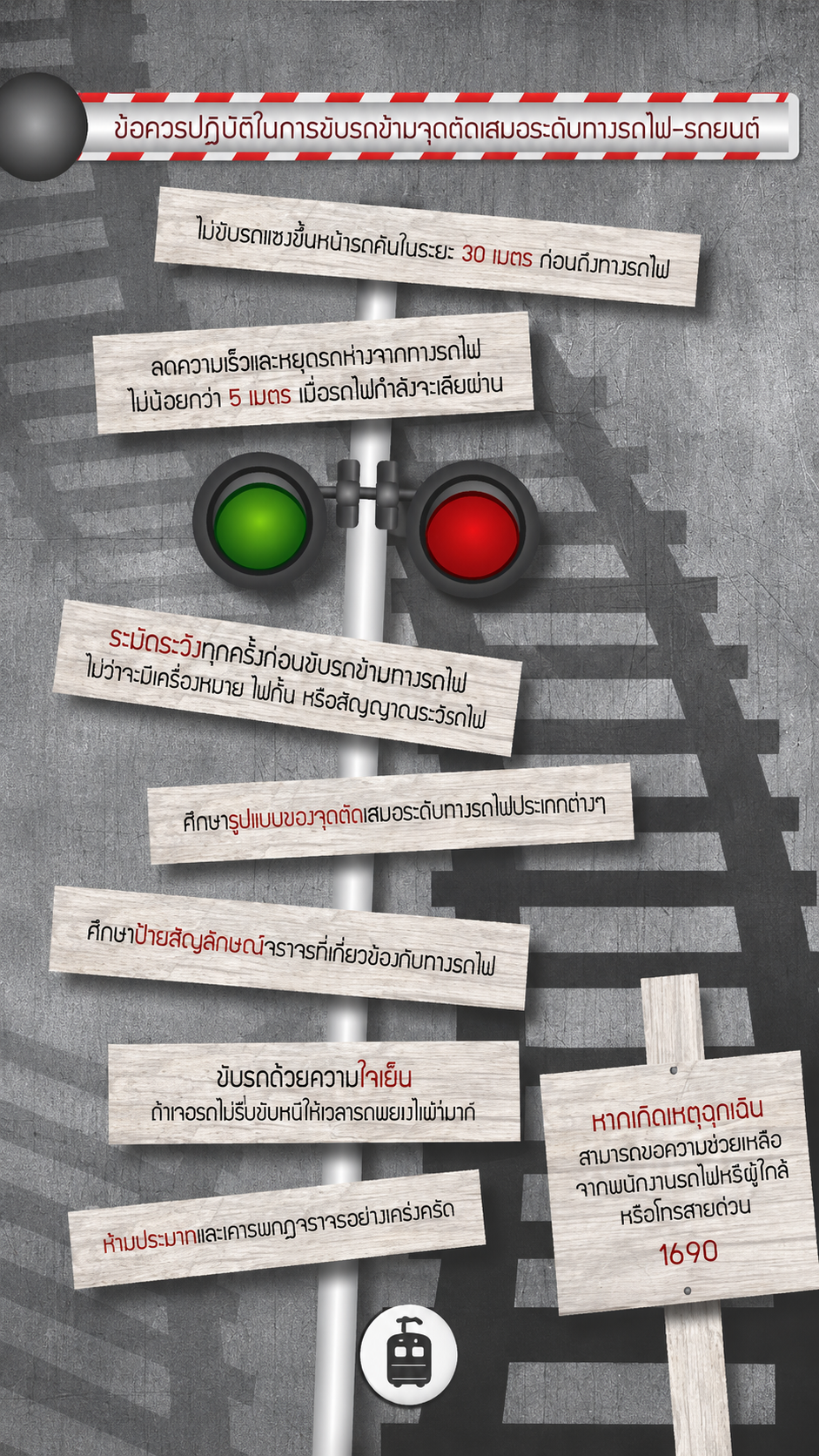
1. If you must drive through a railway crossing, exercise extra caution, especially if driving on an unfamiliar route, as it can increase the risk of accidents. Special caution is advised at crossings without barriers and when driving at night when visibility is poor.
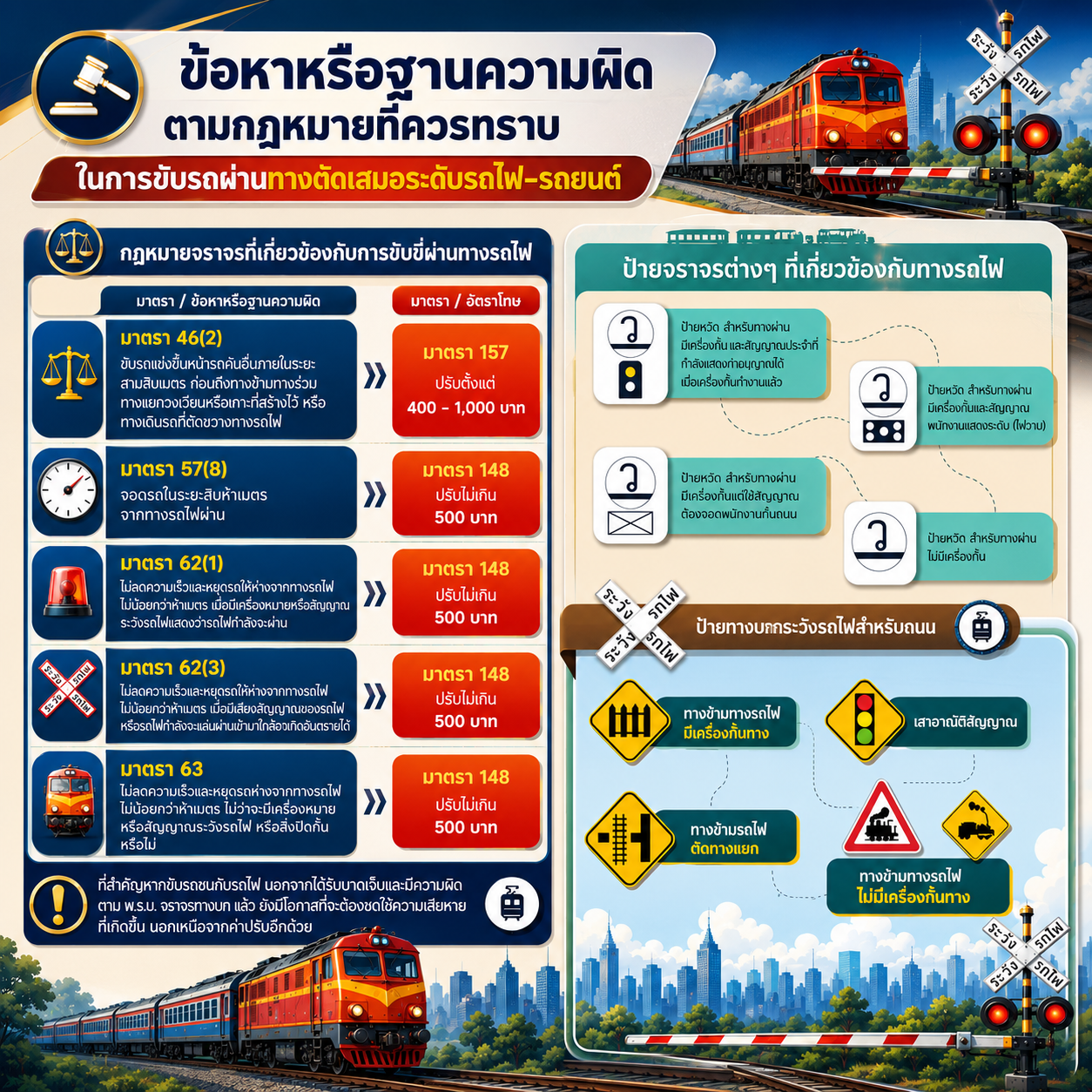
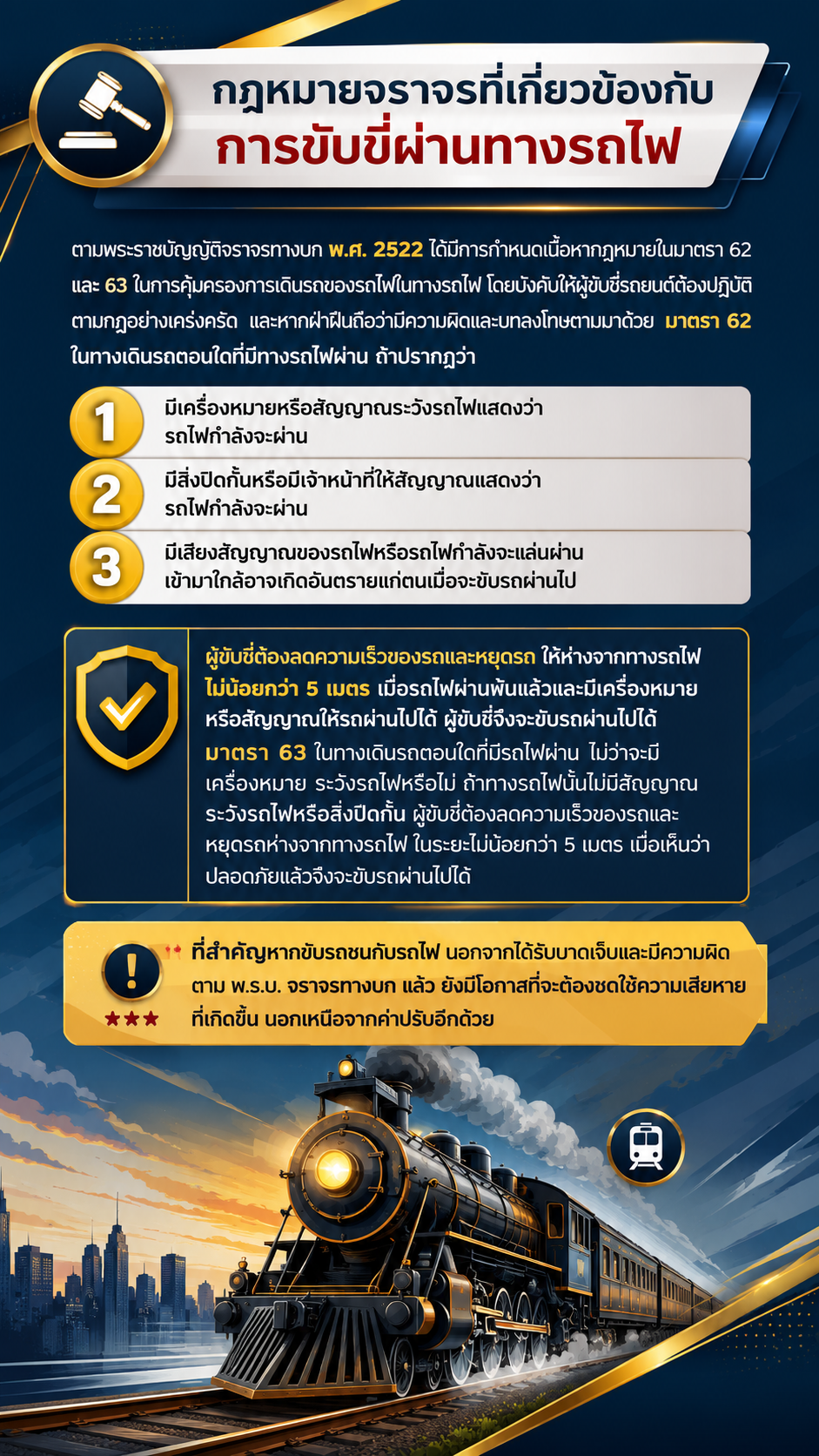
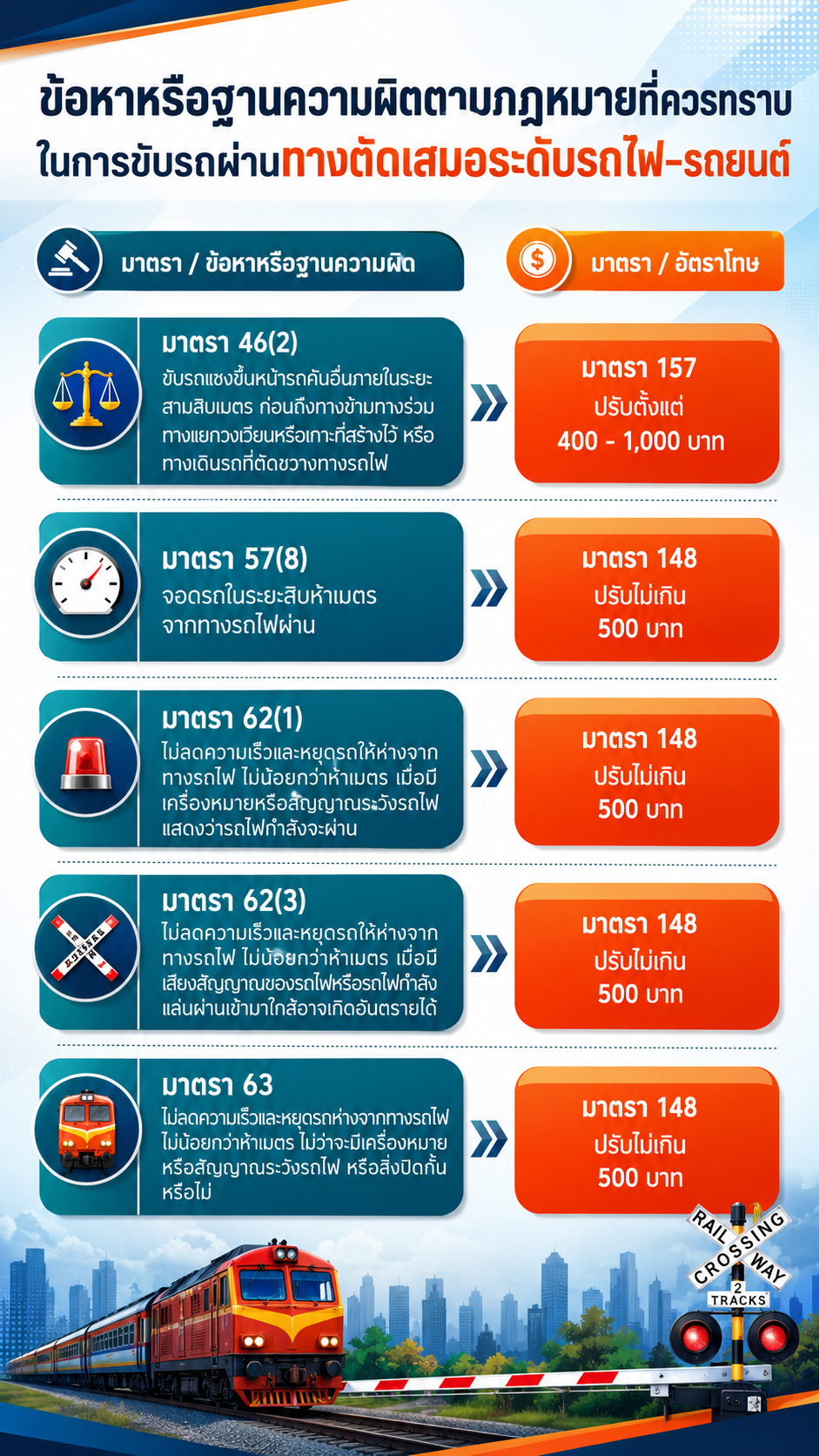
When driving through an unguarded railway crossing without warning sounds, drivers should exercise extreme caution, especially at crossings on curves, during nighttime, or where trees or objects obstruct the view of an approaching train. Slow down and stop the vehicle at least 5 meters away from the railway track. Only proceed when it is safe to do so.
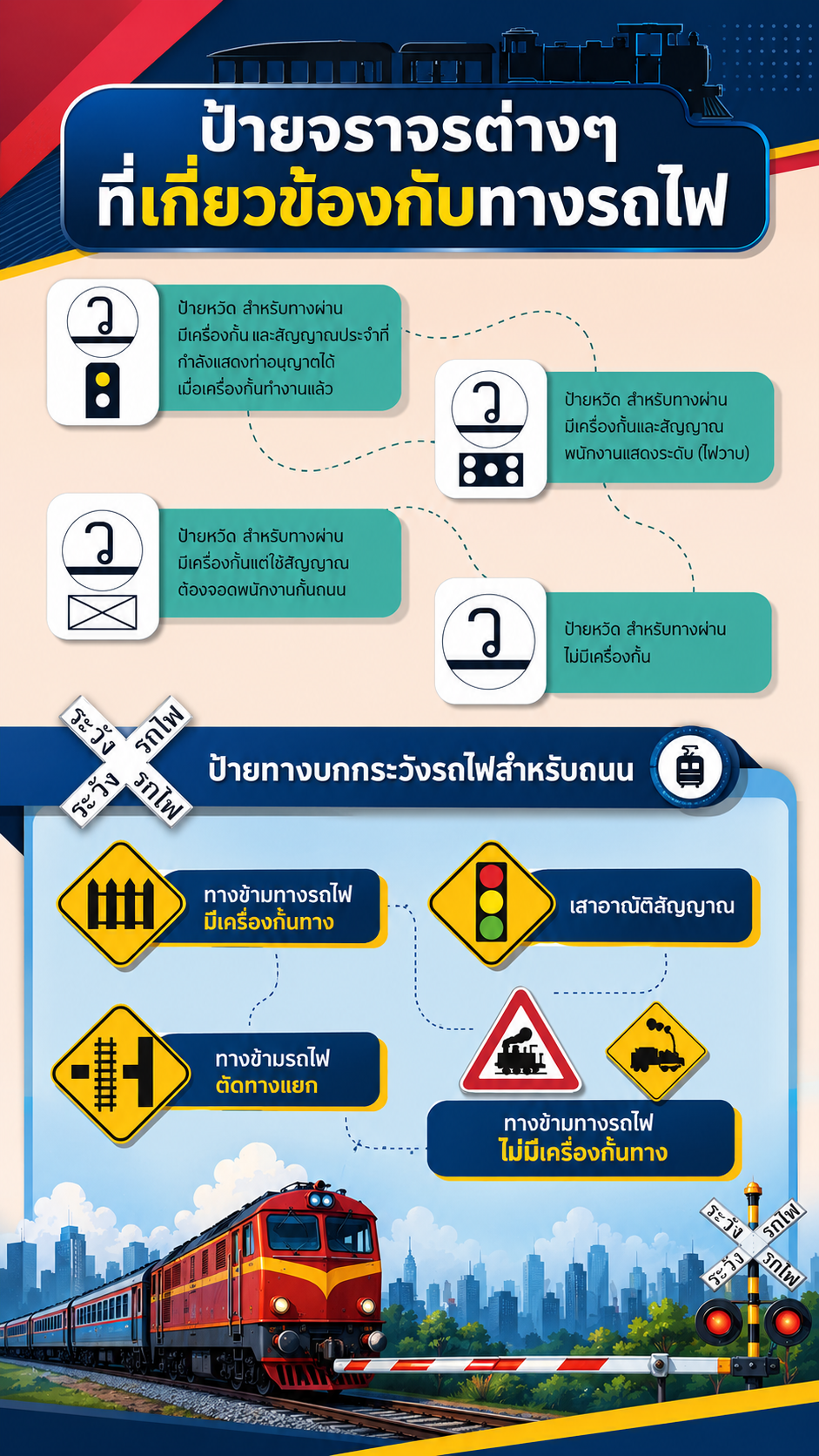
2. Be cautious by constantly observing railway warning signs or speed bumps to determine if there is a railway crossing ahead, to increase driving awareness. You should slow down and stop before reaching the railway crossing, look left and right until you are certain it is safe, then slowly drive across the railway crossing. If there are traffic lights at the railway crossing, never stop or park your vehicle over the tracks, as you will not be able to move the car in time if a train approaches.
3. When a warning light signals an approaching train and the barrier slowly closes, drivers should stop their vehicles at least 5 meters away from the railway track. Do not speed up and cross the railway while the barrier is closing, as it could lead to a serious accident.
For the safety of lives and property, if you must drive through a railway crossing, you should slow down and look left and right to ensure it is safe before slowly proceeding.

Source: State Railway PR Team




Follow Motor Expo Club Network