YOUR CART
IS EMPTY
IS EMPTY

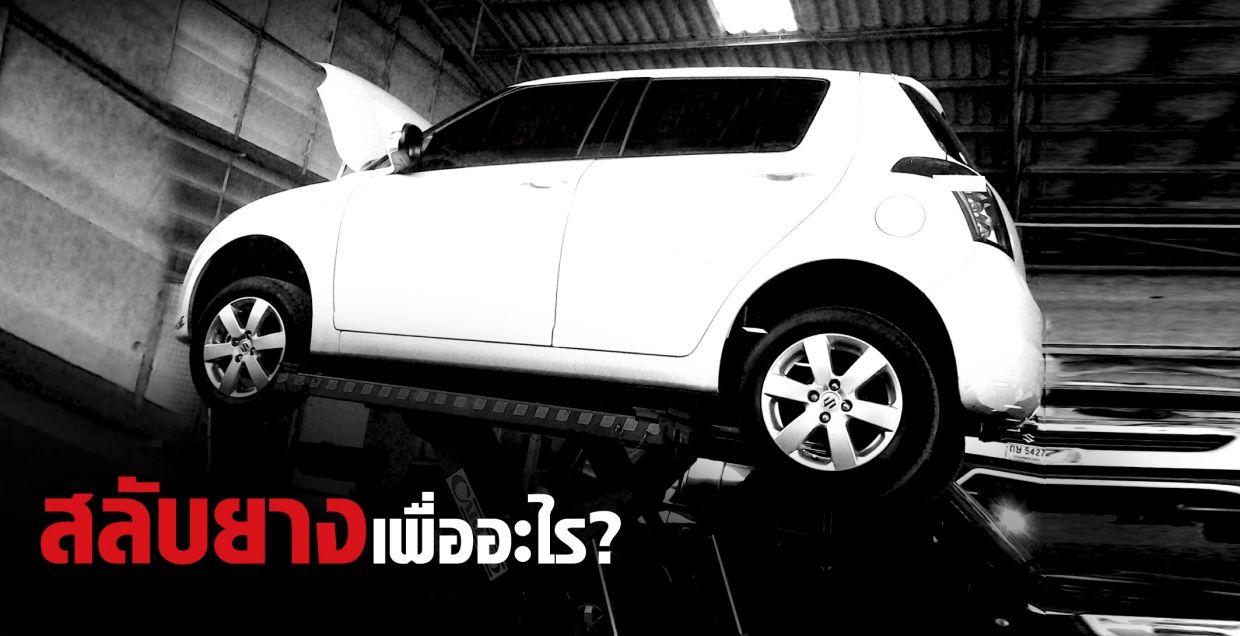
The lifespan of “tires” Many people still understand that they should be changed every 30,000 or 40,000 km, or every 2 years. In reality, car tires can be used for much longer until the tread wears out, depending on various factors such as tire pressure, tire load capacity, road conditions, driving style, vehicle condition, suspension, and road surface temperature.
The usage described as usable until the tread wears out means in cases where the tire shows no signs of damage such as distortion, deformation, cracks, tears, etc., it can be used until the tread is gone. However, the stiffness will increase because the rubber compound hardens, causing increased tire noise, as well as reduced grip and braking performance. But it can still be used; increased caution is required (but if you have money, don't let it get to that point; it's better to find an opportunity to change to new tires, it's much more reassuring). As for the hairline cracks in the rubber, it's normal because ingredients related to shine, such as wax, degrade. These hairline cracks are different from the cracking or tearing of the rubber compound. Moreover, if there is tire rotation every 10,000 km, it is considered good because it helps ensure that each tire wears out similarly, allowing the tires to be used efficiently for their full lifespan, as mentioned.
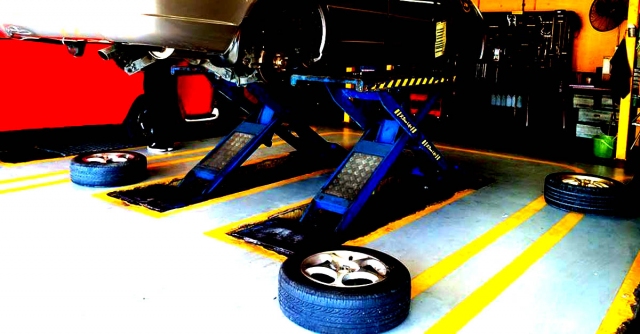
Tire rotation does not always have to wait until the specified interval. If regular checks reveal abnormal wear on the tire surface, the cause must be inspected and rectified before rotating the tires. There's no need to wait until the abnormal wear becomes too severe to fix, which would unnecessarily require changing to new tires. This is especially true for those who frequently drive long distances at high speeds, as wear occurs faster and tires might need to be replaced sooner than they should.
●All that has been said is the reason: Why rotate tires?
Many people have used cars and never known that their own car tires need to be rotated (unless they go to a service center for a check-up, where mechanics might recommend tire rotation). And many people ask in return, "Why rotate tires?" Because car tires are designed to withstand environmental conditions, and must also be able to bear load without changing the car's balance. Driving on various routes inevitably results in uneven wear on one side of the tires. Therefore, after using a car for some time, or about 10,000 km, tires should be rotated between the front and rear axles to ensure that the tread of the front and rear tires wears evenly. This helps maximize the performance of all tires and also extends their lifespan, because car tires are the only component of the car that is constantly rubbing against the road surface, resulting in faster wear...
Tire rotation is not difficult. Simply visit a tire sales and service center near your home; the price is only a few baht. But nowadays, various sales and service centers have promotions where, when you change tires at their shop, they often include free tire rotation + wheel balancing!
●What if tires are not rotated?
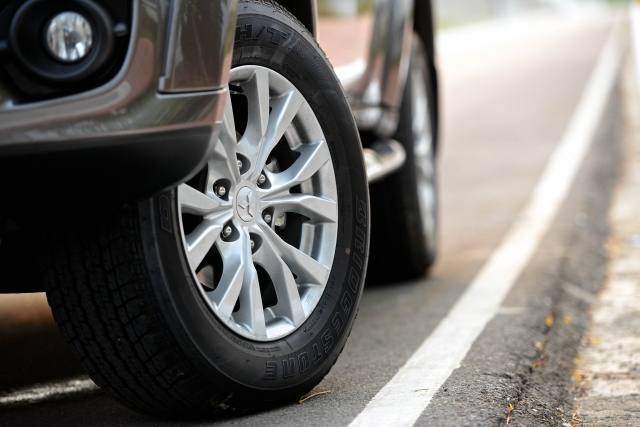
If tires are not rotated according to the specified interval, the wear on all four tires will be uneven. Tires often wear on the outer or inner edges, reducing the contact patch between the tire and the road surface, and thus reducing grip performance. The steering wheel will be crooked, often pulling slightly to the left or right. Additionally, severe uneven tire wear can cause the car to pull to one side (left or right) during hard braking. If this happens at high speeds, it can lead to accidents. Front tire wear is typically 2-3 times greater than rear tire wear, resulting from most loads being borne by the front wheels, including steering control and braking to reduce vehicle speed, which also primarily involves the front wheels.
Now you must have stopped wondering why our car's tires, or a friend's, have such bald front treads...Huh! Why are the left and right tire treads uneven!!... "Tire inflation" also plays a part...I told you, tires are a topic we could talk about all day and never finish!!??
Compiled from AUTOINFO Online
Related articles: How to rotate tires yourself Let's rotate tires : Car tire inspection : Inspect your car tires, take a moment, and your life will be safe!


Follow Motor Expo Club Network