YOUR CART
IS EMPTY
IS EMPTY

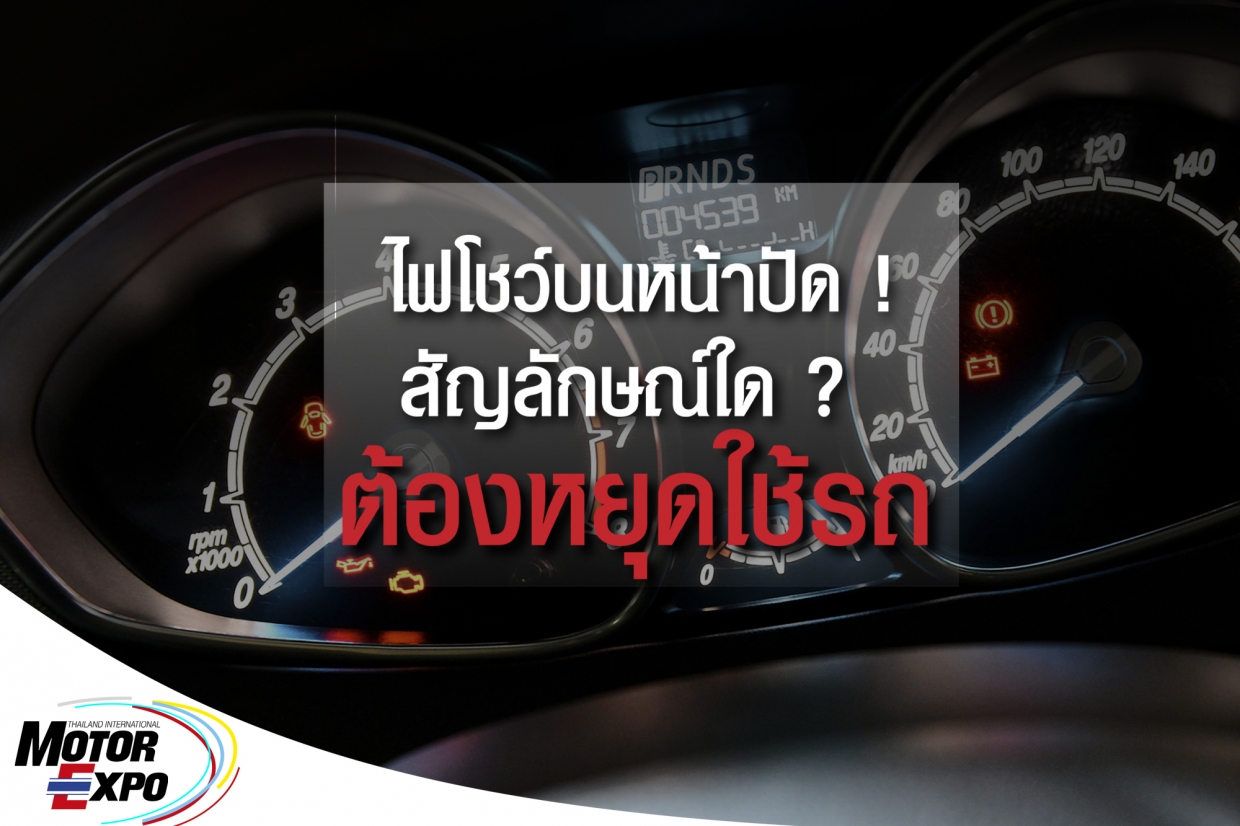
"Why do the warning lights stay on after turning the ignition key?" This is what car users should study and learn. Various warning signs on the dashboard can be found in your car's owner's manual so you can maintain your car more efficiently.
The warning lights on the dashboard, sometimes called Fai Show (indicator lights), have significant meaning and importance in car usage. This is because the term "warning light" is a symbolic message communicating to the driver that a system in the car is experiencing a problem or showing early signs of a problem. Many people, upon seeing a system warning light illuminate, often panic and think it's a major issue because they haven't paid attention to the manual or studied the correct usage beforehand. Consequently, when they use the car, they are unaware of which systems in the car have malfunctions.
What should not be done is: "Never place or attach anything on the dashboard area." Many car owners put amulets, Buddha images, dolls, or even photos of their partners on the dashboard for confidence while driving. This is not a good idea at all, as it will obstruct various crucial warning signs that are important for driving. Damages can be mitigated when you learn about these warning signs.
In newer car models with an On Board Computer system, these matters must be given great importance because they are quite complex to use. A single screen can display multiple functions. Before getting to know the various symbols, let's look at the following stories. It's not a trivial matter; making mistakes can only lead to unnecessary financial losses.
The first thing many people regularly do is place amulets or various spiritual objects directly on the dashboard, which obstructs the upper part of the temperature gauge, perfectly covering the red line. Moreover, they rarely maintain their cars and are unaware that the temperature needle has already reached the red line. All they know is that suddenly, the car started to feel sluggish and wouldn't run well until the engine died. Trying to start it failed. Ultimately, it had to be towed to a garage. It turned out that the water in the cooling system was completely dry, and the cylinder head was warped. The repair cost was about 30,000 Baht because the lower radiator hose had burst at the clamp. If that amulet cloth hadn't blocked the temperature gauge, the repair might have only cost a few hundred Baht, as one water hose is about 300-400 Baht, plus a small towing fee.
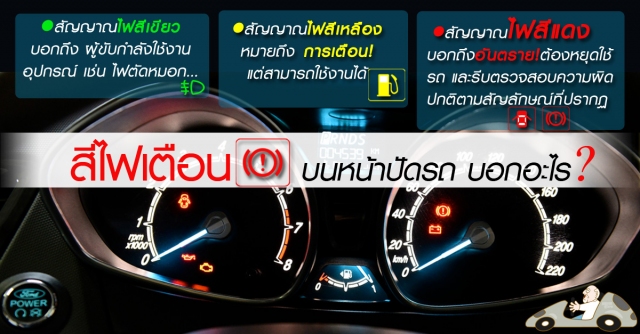
Example 2 is a European car with a wrench symbol and a message warning to go to a service center displayed. But the driver didn't know because they couldn't read English. Fortunately, it wasn't serious; the charging system just had slightly lower voltage than normal.
Example 3: The battery warning light came on, but the car owner didn't know what it meant, thinking it indicated a full battery because they had only been using the used car for a few days. Eventually, the engine died, but it wasn't too serious; just a worn-out alternator. However, it wasted time and incurred unnecessary towing fees.
Example 4: Suddenly, a triangular warning light with an exclamation mark inside flashed repeatedly and then turned off... Is it dangerous!?
These examples show that car owners have no knowledge of engines and no one to inform or advise them. Therefore, it is good that we should get to know and learn.
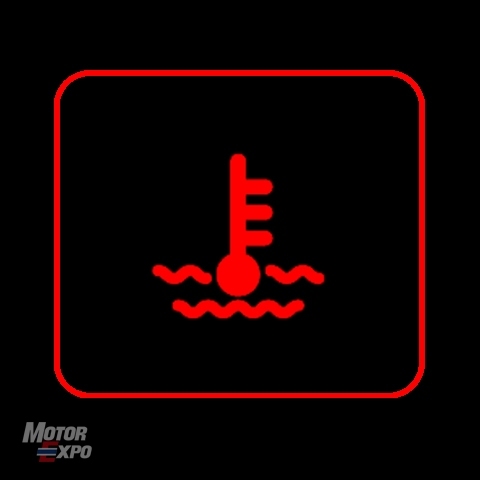
This gauge is very important. When the engine temperature rises, it signals that the engine is malfunctioning. The heat generated can cause unimaginable damage to the engine. In newer car models, temperature gauges are becoming less common, presumably following a trend to reduce dashboard clutter. Temperature display now uses a thermometer-shaped warning light symbol instead. When you turn the ignition key to the ON position, this symbol will light up in blue and then turn off when the engine starts or reaches its operating temperature. If the temperature starts to rise above normal, reaching the level set by the sensor, the thermometer light will illuminate again, but it will turn red to warn that the temperature is higher than normal. When the thermometer warning light illuminates red while driving, don't panic. You still have time to safely pull your car over to the side of the road. Some car owners become overly anxious when the temperature rises, pulling over immediately out of fear of engine damage without considering if it's safe or not.
There are many reasons for high temperatures, such as a leaking water hose, a leaking radiator, a malfunctioning cooling fan, etc. However, it won't cause much damage if you are aware and turn off the engine immediately before it reaches a critical stage. Most of the time, when the temperature stays high for a long time, the engine will eventually shut down. The mild consequences include a warped cylinder head. More severe cases have been observed, such as a twisted and cracked cylinder block. When driving, it is necessary to constantly monitor various gauges, just as you would check your side mirrors, for safety.
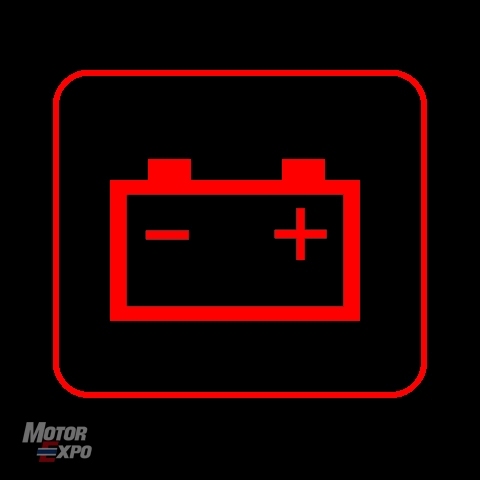
Speaking of this, I remember a young person who thought the battery light meant the battery was full. Please don't laugh, because in areas where we lack knowledge and expertise, it's not unusual. However, when you realize you need to know and use a car, in this case, it's necessary to study further to ensure proper car usage and maintenance. The last moment we turn the key to start, all the warning lights will illuminate. After starting, all warning lights should turn off, except for the handbrake warning light or gear position indicator. When the engine rotates, the alternator will operate, generating electricity to send to the battery and power various systems throughout the engine's operation. This specific warning light should not illuminate. But if this warning light illuminates steadily or flickers while the engine is running, it indicates a problem with the charging system.
While driving, if it illuminates, the first thing to do is find a safe place to pull over, or locate the nearest garage or service center. However, you should not drive for more than 5 minutes from when the warning light illuminates. You should also turn off the air conditioning, radio, and all other electrical systems, as at that moment, all electrical systems will draw power from the battery itself. If the battery is in good condition and fully charged, you might be able to drive longer. It's best to find a place to stop quickly, because the engine will eventually die due to a lack of electrical power to the system.
There are several possible causes. Minor ones include a loose or broken alternator belt. If the belt breaks or is loose, the alternator cannot function. A blown fuse has also been encountered. If it's more serious, it means the alternator is degraded or has reached its end of life, such as worn-out carbon brushes, burnt coils, a faulty diode, or finally, the battery not holding a charge. Solutions depend on the symptoms. A very serious issue is a problematic alternator, with prices starting from 6,000-7,000 Baht for small to medium-sized Japanese cars.
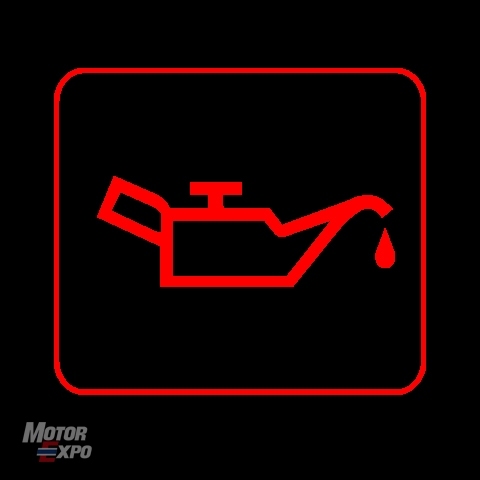
Symptoms like melted shaft bearings or seized crankshaft bearings that prevent the engine from rotating arise from problems with engine oil unable to circulate in the system. There can be several causes, such as leaks, a punctured oil pan, or faulty seals. In diesel engines, a leaking rear alternator seal or even a leaking oil filter seal has been encountered. These problems prevent engine oil from circulating in the system. When there is no circulation, the system pressure drops, and the engine oil pressure warning light will illuminate.
Therefore, when this warning light illuminates, you should immediately pull over and turn off the engine, as it means the engine oil is no longer circulating in the system. When this warning light illuminates, don't panic. Observe the water temperature gauge simultaneously to see how high it has risen. If it's normal or only slightly high, you still have time to safely pull your car over to the side of the road. Once parked, you must check for any oil leaks to pinpoint where it's happening. If you can't find it, wait 5-10 minutes to allow the engine oil to drain back into the oil pan. If you check the engine oil and find that there is none, it indicates a leak somewhere. If no leaks are found, it might be due to a broken cylinder head gasket, causing engine oil to leak into the combustion chamber. In this case, the exhaust smoke will be white, like a 2-stroke motorcycle. Alternatively, it might be leaking into the cooling system. You must wait for the engine to cool down, then open the radiator cap to check if engine oil has mixed in. If there is oil in the system, the water will turn a murky coffee color.
In this case, it must be towed to a garage or service center. Absolutely do NOT start the engine. If there is engine oil, you must continue to check why the engine oil is not circulating. There could be two symptoms: a faulty oil pump or a faulty pressure sensor. In this case, you should also not start the engine.
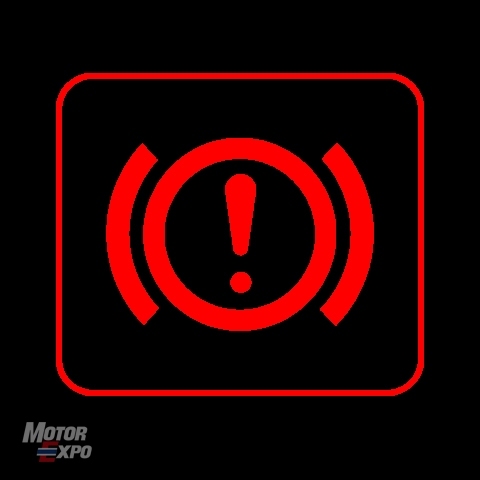
The ABS warning light or brake symbol will illuminate when the ignition key is turned to the ON position. Once the engine starts, this light will turn off. Sometimes, when braking hard, the ABS warning light may flash rhythmically. There's no need to panic in this case, as it means the ABS system is active. It will turn off by itself when you release the brake. But if you are driving normally and this warning light illuminates steadily, it indicates a problem with the system. It's best to consult your car's owner's manual, which will tell you what the cause is, as some brands have similar-looking warning lights, such as the handbrake warning light, worn brake pad warning light, or low brake fluid level indicator. Consulting the manual will provide initial symptoms. If the brakes are still functional, continue driving cautiously and avoid high speeds for safety. Sometimes, it's also due to mud or moisture on the sensor causing inaccurate readings.
Another case that can occur is when turning the car sharply, and a triangular warning light with an exclamation mark in the center flashes, or possibly a car-shaped symbol similar to a slippery road warning sign flashes. This indicates that the various stability control systems are currently active because the car is starting to lose stability. The stability assist or stability control system works to reduce the chance of losing control. When the car regains normal stability, the light will stop flashing. If this light flashes continuously, it means there is a system problem. You can drive normally, but when the car starts to lose stability, the system may not work. Therefore, you must drive with greater caution than before.
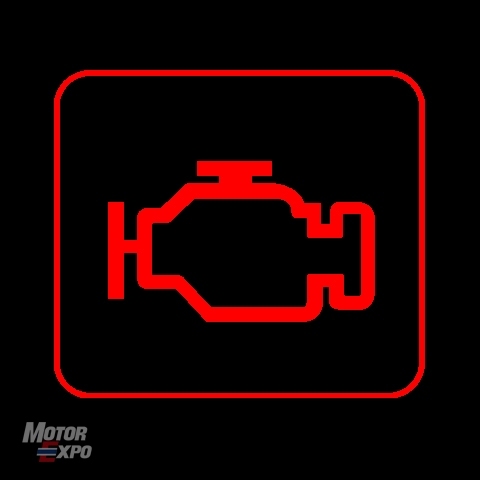
These various warning lights are designed to turn off once the engine starts. However, if the engine warning light suddenly illuminates while driving, it indicates a problem with the engine system. If the car can still be driven and accelerated normally, observe other gauges simultaneously, especially the temperature. If the temperature is normal, you can continue driving, but you should not use high speeds or high engine RPMs. Some car models will switch to a limp mode to prevent damage, which will limit the engine's RPM. Most will be restricted to around 1,500-2,000 RPM to prevent engine damage and allow the car owner to drive the vehicle to a service center without needing a tow. This warning light can indicate a wide range of problems. Sometimes, a broken wire means the ECU cannot detect a signal, so it commands the engine warning light to illuminate, indicating a need for inspection. In some systems, it doesn't cause immediate engine damage but will over the long term, so the system still allows the driver to continue operating the vehicle.
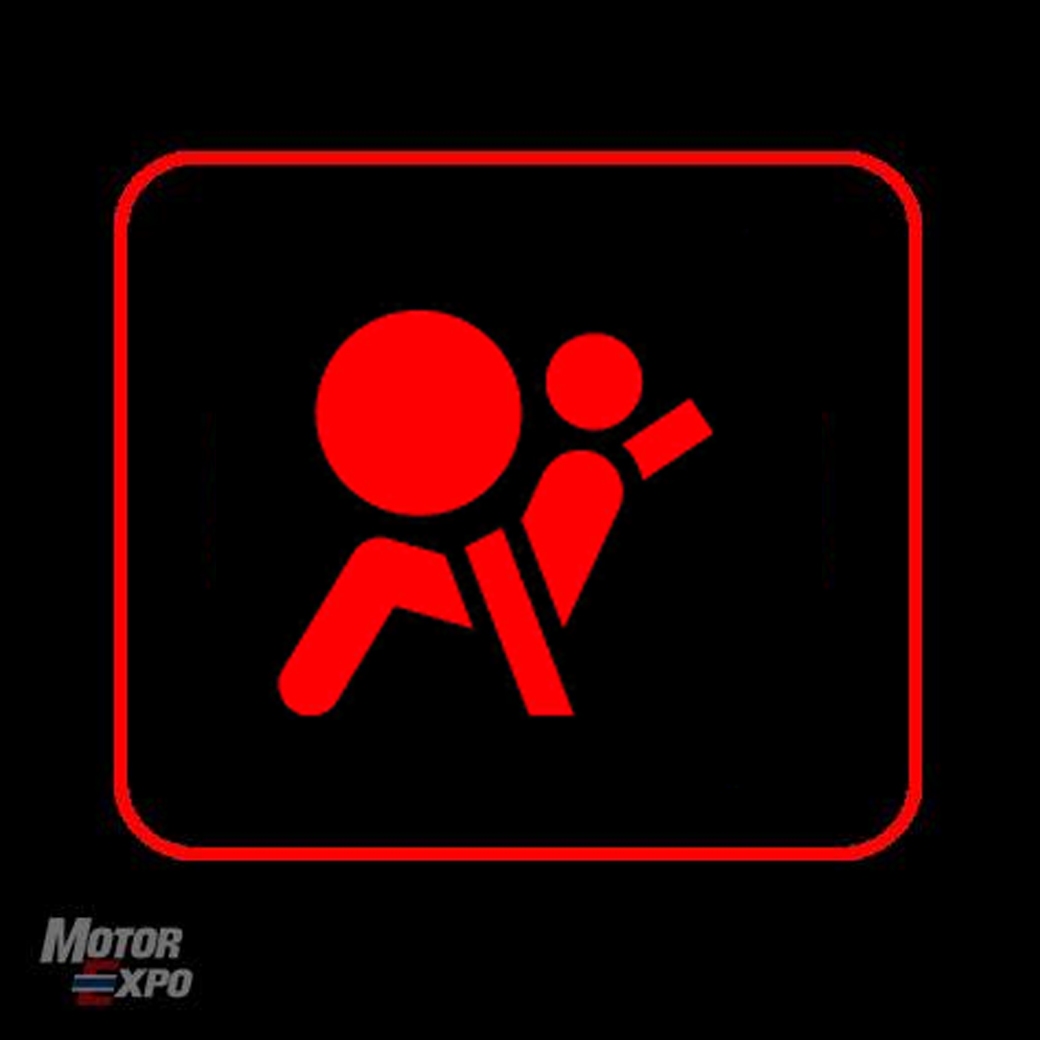
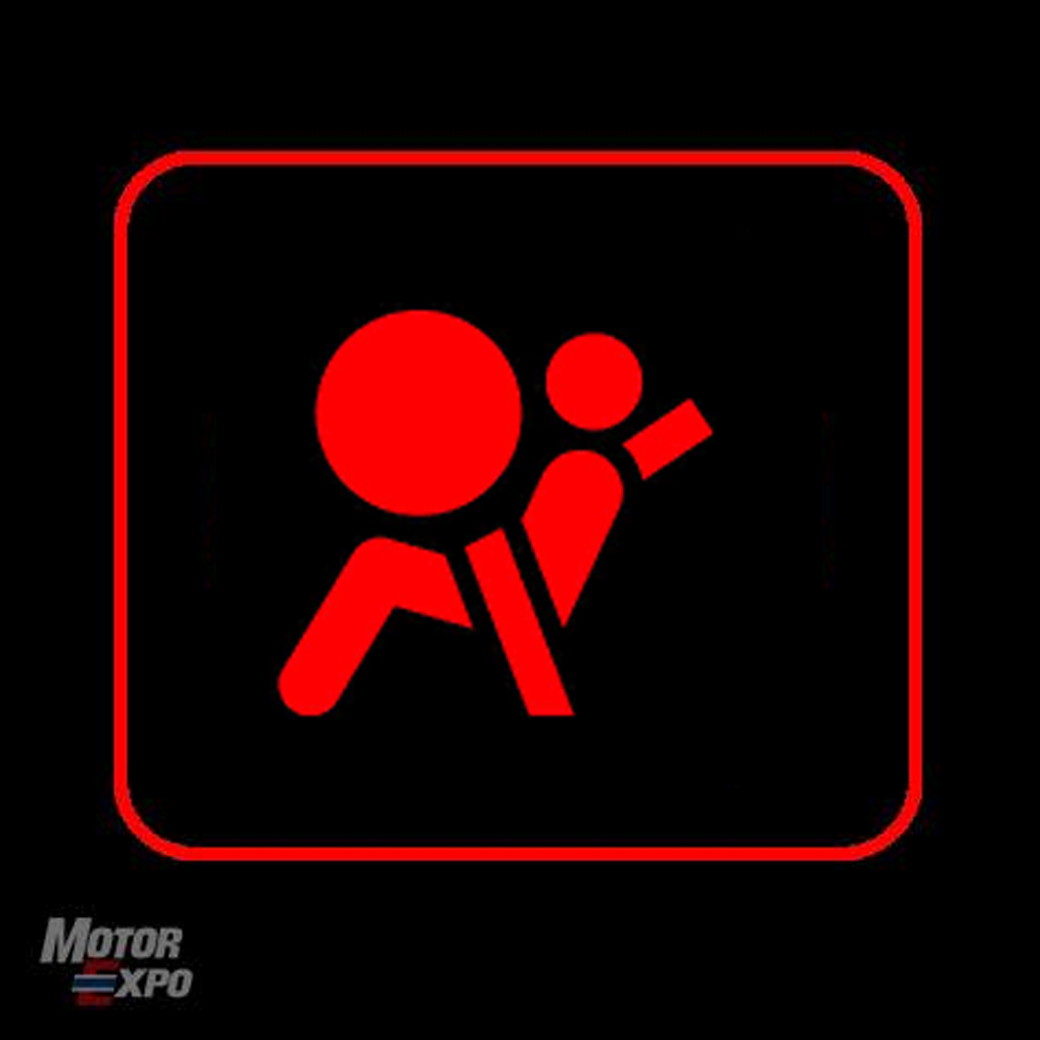
Another symbol to be aware of: if the airbag warning light or SRS symbol illuminates while driving, you must quickly take the car to a service center for inspection. Sometimes, it's due to installing audio systems, alarm systems, flashing lights, etc., where the wiring work might interfere with the system's signals. Most inspection intervals are around 50,000 or 100,000 km. Sometimes, removing the steering wheel or related wiring can also cause the warning light to illuminate. It is recommended that if you need to remove the steering wheel, you should have the service center do it, as mistakes could cause the airbag to deploy and lead to injury. Additionally, you must thoroughly study the owner's manual for the seatbelt system, especially if you regularly travel with children.
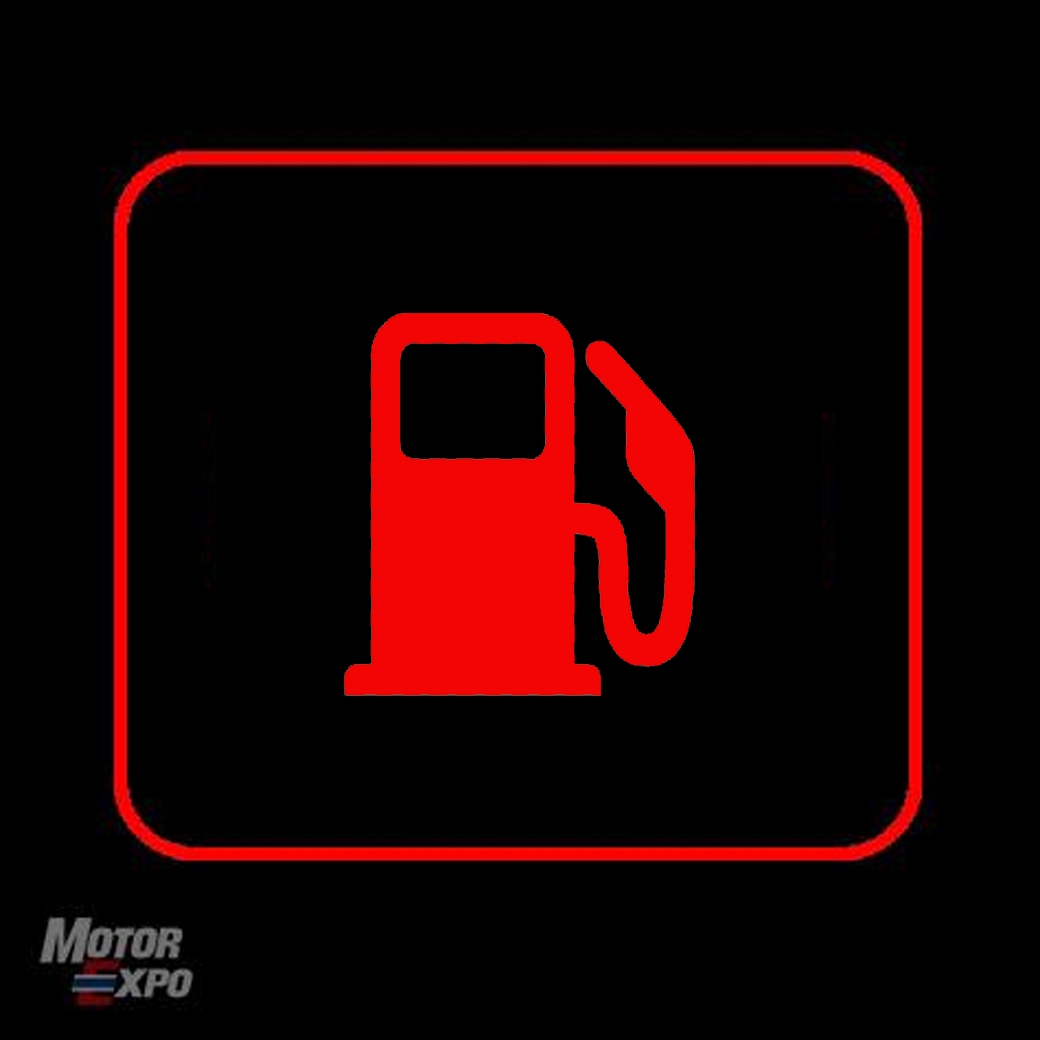
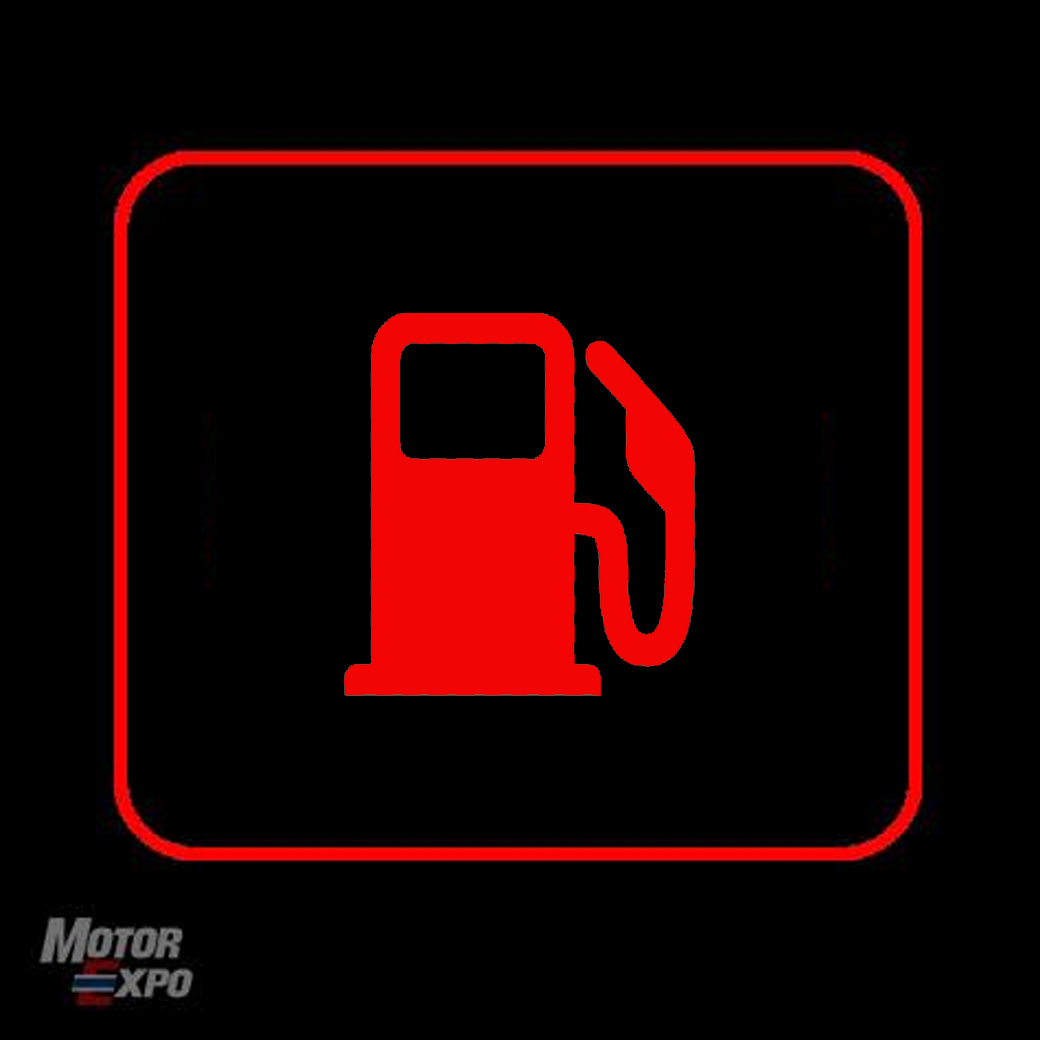
It's happened to me often with unfamiliar cars. Due to complacency and lack of attention, the engine suddenly died, even though the fuel warning light hadn't come on yet. In most cars, when the fuel light illuminates, you can usually drive another 20-30 km. However, it's best not to let the fuel level drop below ? of a tank. When it reaches this level, you should refuel to prevent running out of gas in an unsafe location. Many new drivers don't know what it means when the fuel pump symbol lights up, so they keep driving until they run out of fuel. If lucky, they run out near a gas station or get help.
In premium cars, even more study is required. Most have an On Board Computer system that can display various functions and provide diverse outputs. You must thoroughly study the operating manual to understand what values it can report and what displays can be changed, as it is more complex than regular cars. The best thing a car owner can do is study their car's owner's manual.
Read related article Which dashboard warning lights? That indicate danger! Must stop using the car and immediately check for abnormalities
Article source: autoinfo.co.th > What do dashboard warning lights help with? ? Warning signs are not…bad omens!




Follow Motor Expo Club Network