YOUR CART
IS EMPTY
IS EMPTY

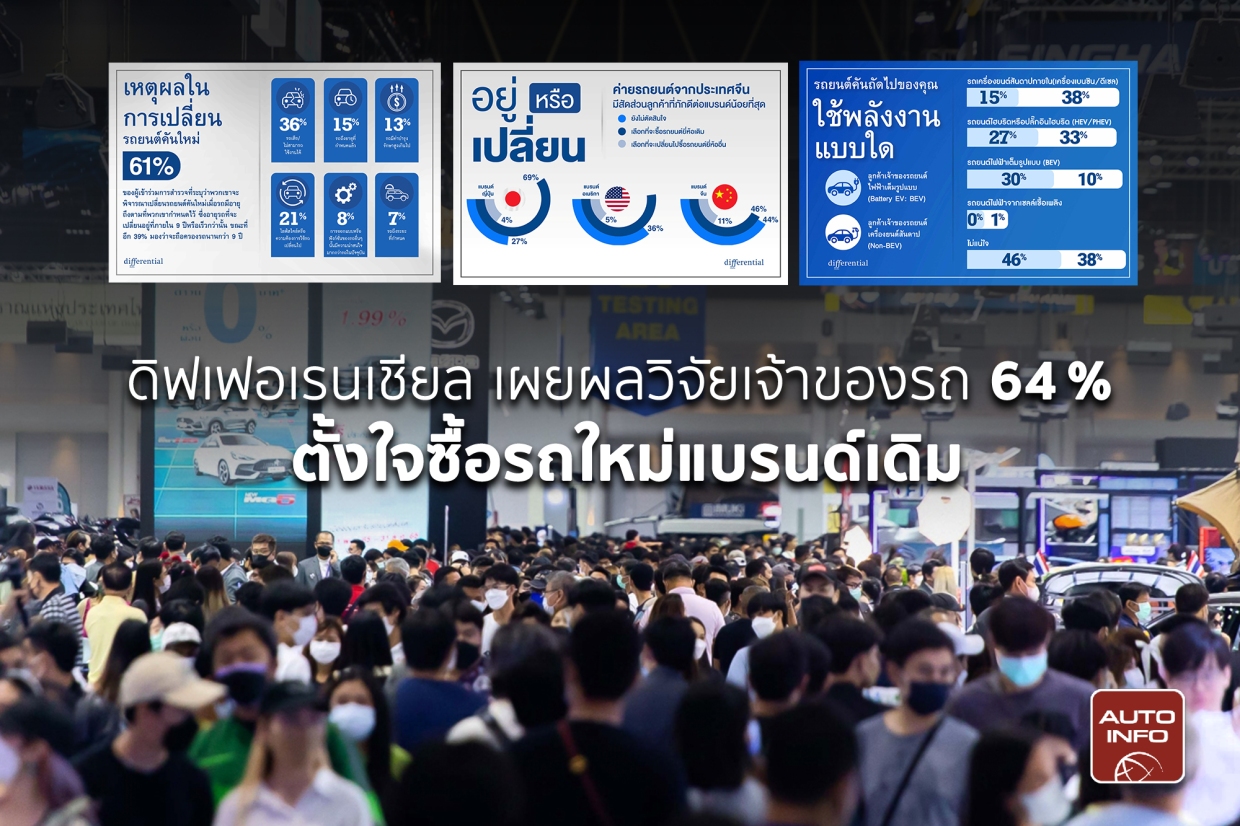
Differential (Thailand) Co., Ltd., a leading marketing consulting and research firm, has released the "2026 Thailand Service Customer Experience Index (Service CXI) Study" and "2026 Thailand Product Customer Experience Index (Product CXI) Study." These reports are based on research data from 2,651 car owners, comparing trends in Thai consumers' decision-making for their next vehicle purchase between 2024 and 2026.
Differential (Thailand) has continuously studied the "brand loyalty of Thai car owners" over the past three years (from 2024 to the present), revealing clear and ongoing changes. In 2025, new car buyers were most inclined to switch brands. The intention to purchase from the same brand shifted from 46% in 2024, dropping to 36% in 2025, before surging back to 64% in 2026.
Meanwhile, the proportion of those unsure whether to buy the same brand or a new one decreased from a peak of 61% in 2025 to 31% in 2026 (which is lower than the 48% figure in 2024). Although car owners have become more decisive about their brand choice, competition remains intense. The number of people planning to switch brands remains at 5%, similar to the 6% figure in 2024. This suggests that while hesitation has decreased, the opportunity to compete for customers between brands remains open. Furthermore, nearly 4 out of 10 car owners are still undecided about which powertrain system to choose for their next vehicle (internal combustion engine, electric motor, hybrid, or plug-in hybrid). The overall situation has shifted from the question of "Which brand should I buy?" to "Which technology best suits my real-life usage?"
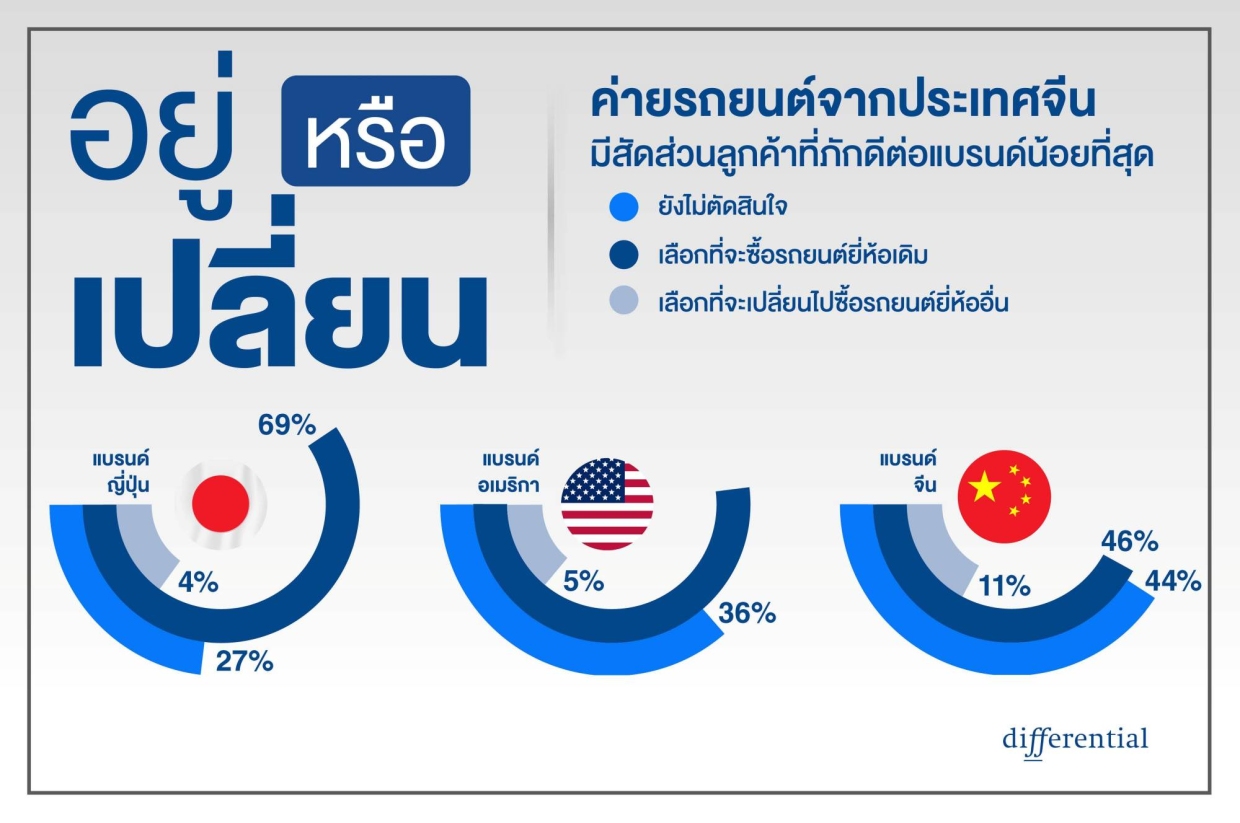
Japanese brands continue to maintain the strongest customer loyalty base, with 69% of owners intending to repurchase the same brand, followed by American brands at 60% and Chinese brands at 46%. Although Chinese brands have seen an increase in repurchase figures compared to the previous year, they still have a high uncertainty group of 44% and 11% intending to switch brands, which is the highest proportion among the three nationalities. The challenge for Chinese brands is no longer limited to brand awareness or trial usage; they must accelerate the transformation of "initial ownership experience" into "sustainable brand trust" in terms of quality, after-sales service, price stability, resale value, and service network readiness. Meanwhile, Japanese and American brands must accelerate the leverage of their existing reputation strengths with innovation and options that better meet current lifestyle needs.
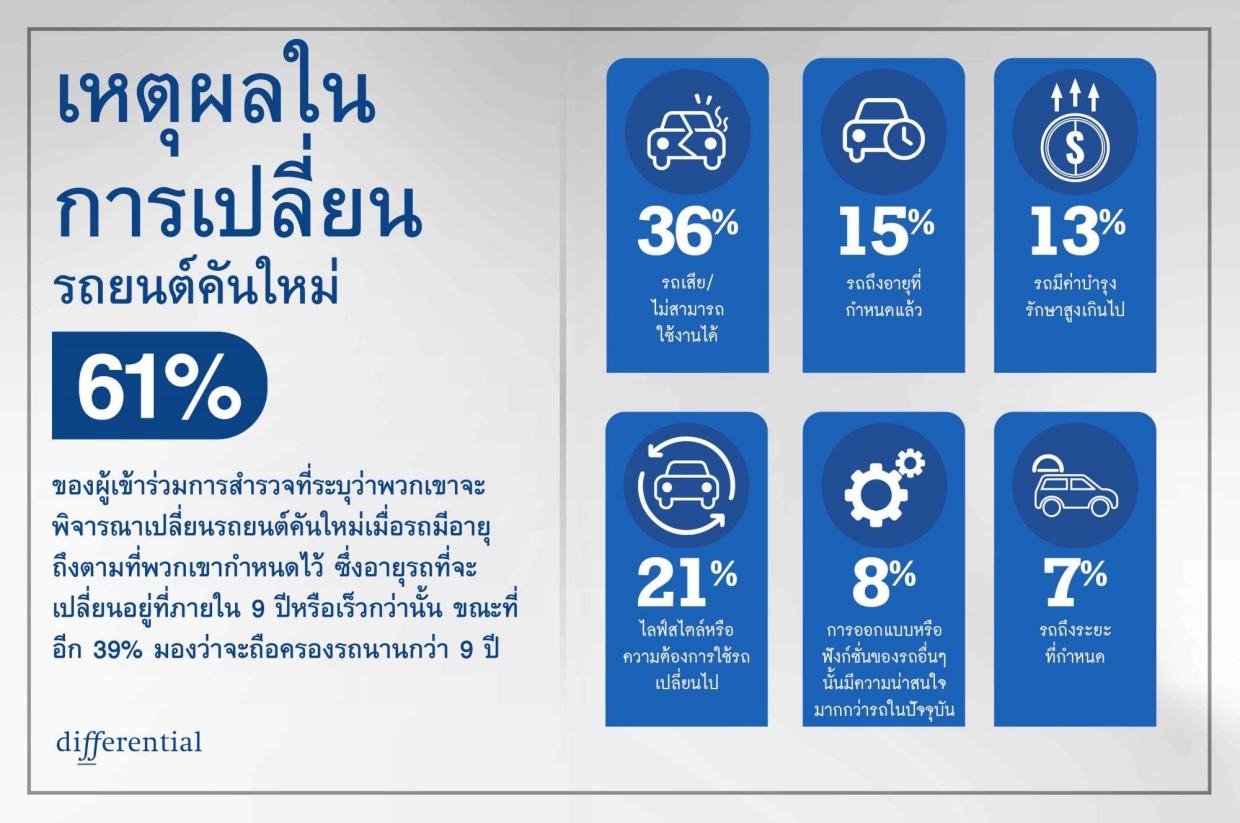
Among car owners who intend to repurchase the same brand, the main reason is "brand image and reputation" (30%), followed by past positive experiences (25%) and product satisfaction (22%). Meanwhile, the factor of resale value increased from 2% to 6%. Therefore, loyalty depends on trust throughout the ownership cycle, not just the vehicle itself. For the group of car owners who are hesitant or do not intend to repurchase the same brand, 71% stated that their needs or preferences have changed. This aligns with the behavior of changing cars shifting from necessity to lifestyle reasons, as the decision to change to a new car for lifestyle changes or usage patterns increased from 14% to 20%, while reasons related to the car not functioning normally or having problems decreased from 50% to 36%.
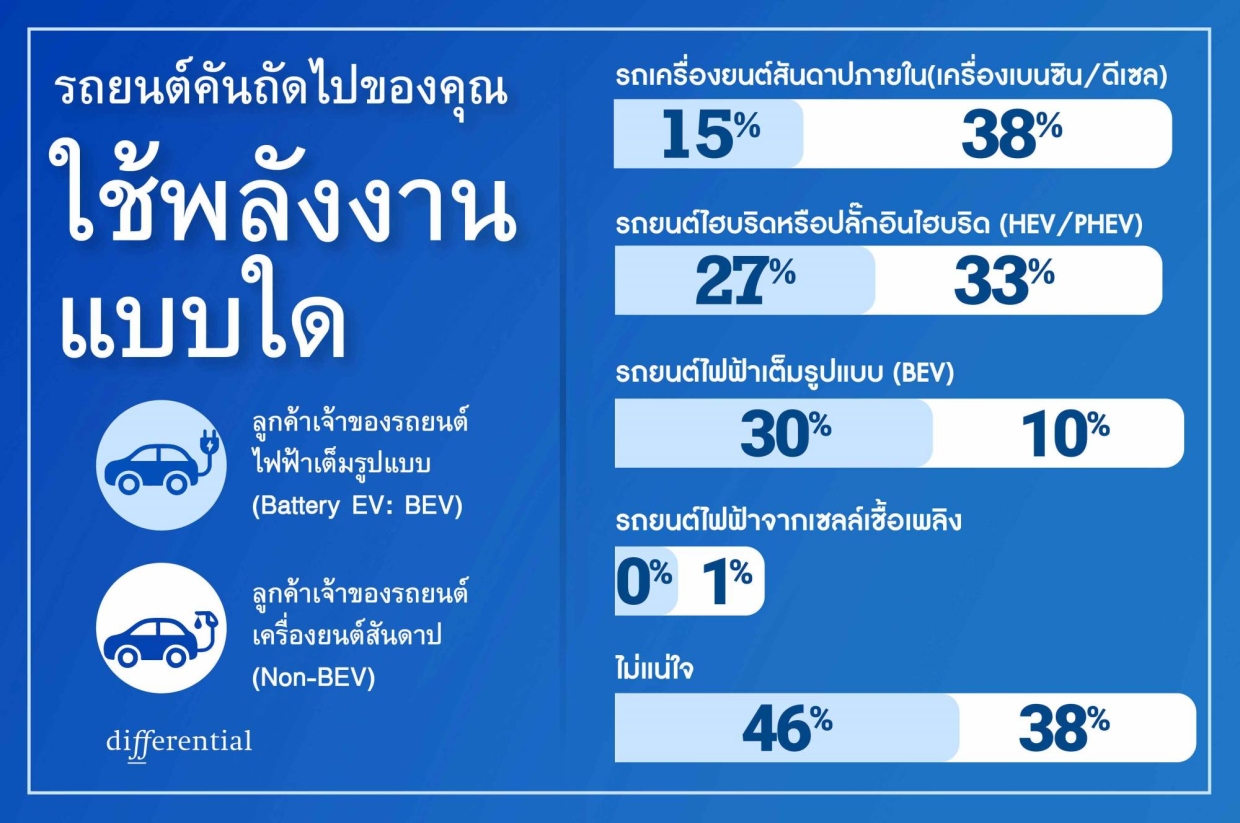
Uncertainty regarding the powertrain system of the next vehicle has shown a continuous upward trend, moving from 17% in 2024 to 29% in 2025 and reaching 39% in 2026. For their next vehicle, 34% of owners are still choosing internal combustion engine (ICE) vehicles, 32% are choosing hybrid or plug-in hybrid vehicles, and 13% are choosing battery electric vehicles (BEV). Since respondents could choose more than one powertrain system, these figures reflect the options being considered rather than a single decision. Among current BEV users, only 30% stated they would consider buying an electric vehicle again, while 46% remain uncertain about the powertrain system they will choose in the future. This situation is a challenge for electric vehicle brands and an opportunity for all manufacturers to focus on communicating more clearly on issues such as practical usage suitability, costs, charging systems, maintenance, and long-term value.
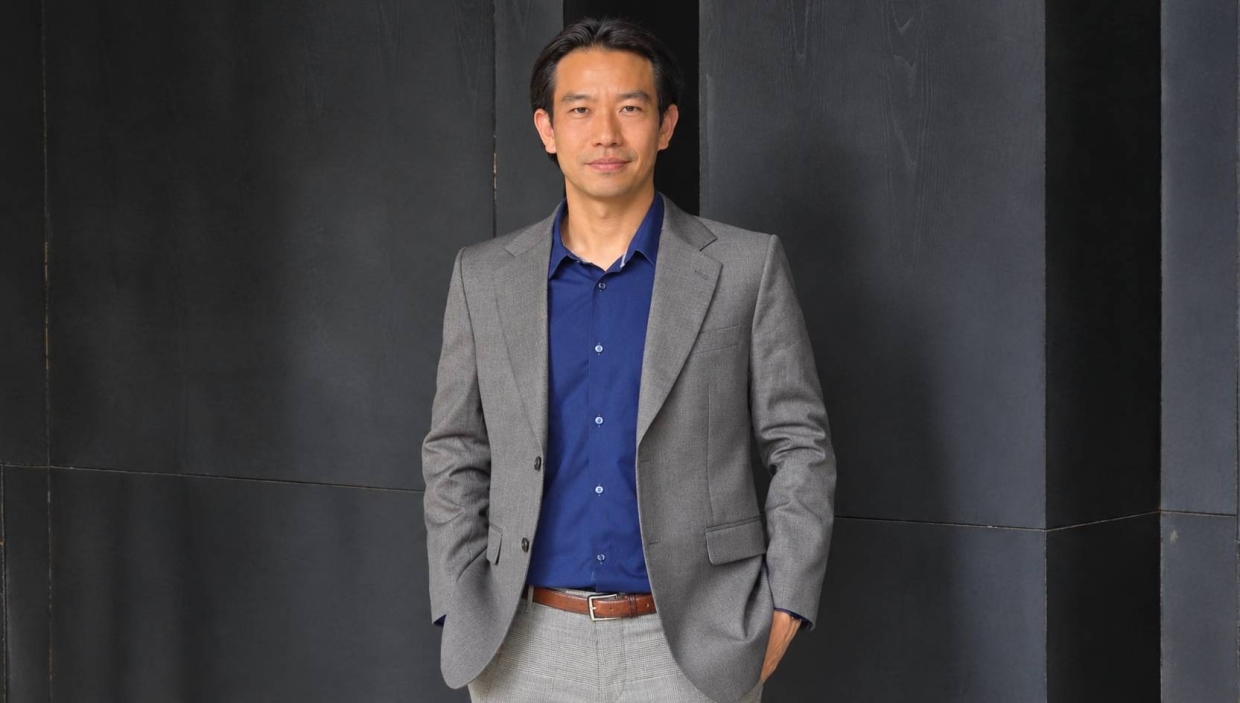
Sirot Satraphai, Managing Director of Differential (Thailand), stated that the overall picture for 2026 does not indicate that loyalty has returned permanently, but rather that consumers have begun to make clearer decisions about brands after 2025, which was the period of highest hesitation in three years. What brands must watch is that when the question of brand begins to have an answer, the question of the powertrain system that suits the customer's lifestyle becomes more difficult than before.
"The next round of competition is not just about pulling customers away from the same brand, but about making customers confident that the brand will take care of them throughout the service life and help them choose the technology that fits their real life. Brands that explain difficult topics simply, create consistent service experiences, and maintain the value of the car will have the opportunity to turn today's clarity into long-term loyalty."


Follow Motor Expo Club Network