YOUR CART
IS EMPTY
IS EMPTY

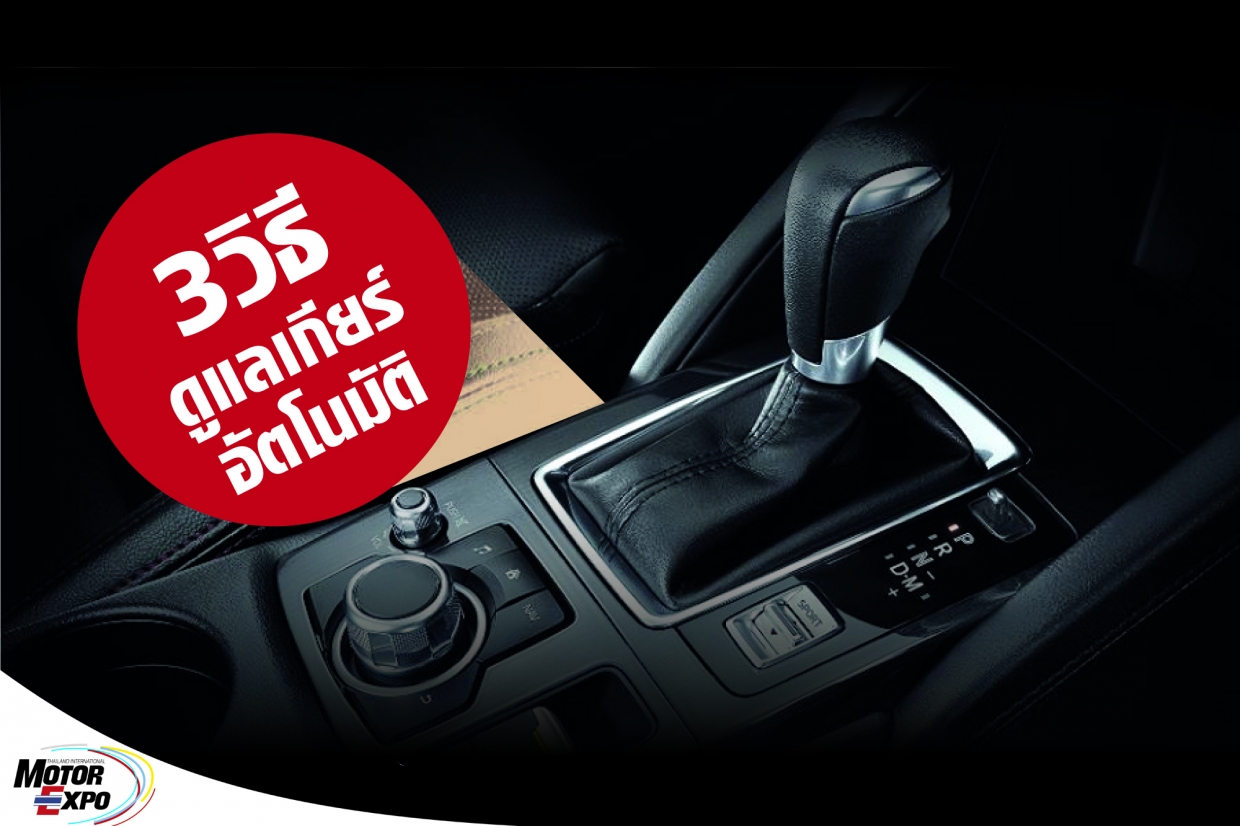
Normally, cars with automatic transmissions are considerably less fuel-efficient than manual transmission cars. If not used correctly, it will clearly lead to even greater fuel consumption. There are many ways to use the engine and transmission system to prolong their lifespan.
Warming up the engine to its operating temperature is very beneficial because it helps extend the engine's lifespan and greatly reduces wear and tear when the engine is cold. This is because engine components are made from various metals, especially moving parts, which need to reach an appropriate level of heat. The human body is the same; we need to warm up before playing sports to prevent injuries from exercise such as cramps, muscle inflammation, or tears, as well as abnormal breathing or heart function. Instead of static warm-ups, we can start with a slow walk and gradually increase speed to a normal running pace.
Similarly with cars, we should stop static engine warm-ups. Besides wasting fuel, it also increases air pollution. The current appropriate action is: Once the engine starts and warning lights turn off, you can drive off immediately, but you must drive at a slow speed for a short while until the engine's temperature gauge rises to about half of its normal operating level. Then, you can gradually increase speed. Doing this is like warming up with slow movement and then gradually increasing speed to a normal level, which can help prevent injuries from exercise, just like with an engine. This type of warm-up is sufficient to extend the engine's lifespan. Importantly, it effectively helps reduce fuel consumption and pollution.
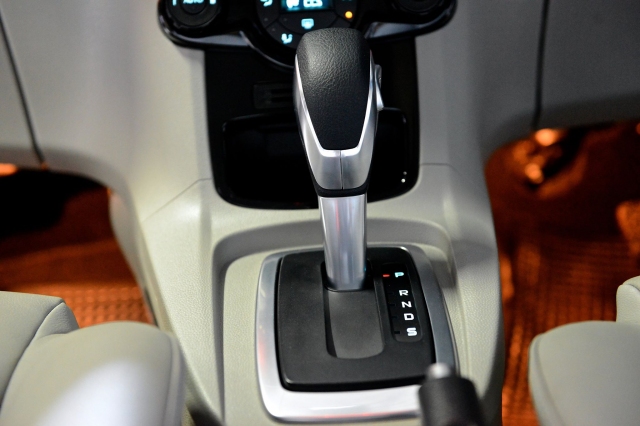
1. Do not aggressively press the accelerator when starting off
The first thing to remember is that this type of pickup truck is very heavy, weighing about half a ton more than passenger cars. Starting off requires a considerable amount of engine power. Pressing the accelerator deeply and hard can make the vehicle accelerate quickly without much difficulty, but the consequence is increased wear and tear beyond normal, even if the vehicle has high performance. Quick acceleration is not difficult, but in the long run, it will cause damage to the internal components of the transmission system because these parts are delicate and consist of many small components ...
2. The heavier the load, the more caution is needed
The nature of pickup trucks with cargo space makes it hard to avoid carrying loads, as sometimes they need to transport some cargo, more or less, averaging around 200-500 kg. When carrying heavier loads, using the accelerator and gear positions requires caution because it directly affects the wear and tear of internal transmission components. Besides using the accelerator gently, you must also use the appropriate gear for the engine's RPM and vehicle speed.
Using the appropriate engine RPM range for shifting gears For normal driving, the ideal engine speed is between 1,800-2,500 RPM. Using higher RPMs is not beneficial for heavy load driving, as this range provides high engine torque, suitable for pulling weight, allowing the engine to comfortably pull the vehicle's weight.
If carrying a heavy load, you might use gear position L2 or L for starting off, similar to driving uphill, to maintain appropriate engine RPM. This is because in D position, the gear might shift prematurely, reducing the torque delivered to the wheels to an insufficient level for pulling heavy loads.
Selecting these low gear positions is similar to driving up or down hills to maintain appropriate engine RPM for usage. Therefore, remember that when carrying a very heavy load, you should gently press the accelerator when starting off, using the gear position to assist. Once the vehicle starts moving, gradually increase speed. You can then maintain a normal cruising speed of 100-120 km/h as before, because at that point, the vehicle is already moving freely. The main problems that cause damage to the transmission system occur only during starting off and driving uphill.
Click to read more 3 Ways to Care for Automatic Transmissions for Pickup Trucks and SUVs
3. Changing the transmission fluid
This is very important because transmission fluid is not like engine oil. When changing engine oil, we drain and refill the entire system; whatever amount is put in is the amount changed out. Therefore, changing brands or grades of engine oil is not a long-term problem. An automatic transmission system typically uses about 5-7 liters of transmission fluid in total, depending on the size of the system. However, each time the transmission fluid is changed, only 2-3 liters are replaced. This means that more than half of the old transmission fluid remains in the system. Therefore, changing transmission fluid is crucial because you must use the same type that came with the car. The car's manual will specify the grade of transmission fluid to use. Transmission fluid grades are referred to as DEXRON, mostly DEXRON II, DEXRON III. Changing between different brands of transmission fluid is not an issue, but you must check whether your car uses DEXRON II or DEXRON III and choose the same grade as the original fluid. This is because the two grades differ in their formula and operational efficiency, which can lead to long-term damage during use. Different chemical formulas can cause important components such as clutch plates and rubber seals to swell, peel, or become rigid, which will have long-term consequences. The transmission system is designed for changing only 2-3 liters of fluid at a time. Some people misunderstand and fear that the transmission will not be durable, so they insist on changing the entire system. Even if the same grade of fluid is used, it can still damage internal transmission components because a new, full system of fluid will have a very high concentration of chemicals, which can cause the rubber seals in the system to become rigid faster than usual, and the clutch plates may swell and peel faster than usual. Furthermore, the cost of changing and flushing the entire transmission system is around 3,000-4,000 Baht. Besides being expensive, it also clearly reduces the lifespan. Therefore, transmission fluid is the one thing car owners must accept: you should not switch to a better grade than specified in the manual, and you should not change the entire system unless there is a major repair to the transmission. For cars that carry heavy loads or are regularly used on steep routes, the fluid should be changed more frequently than usual, depending on the intensity of use. And I reiterate that changing the entire system and using cleaning fluid to circulate will significantly shorten the transmission's lifespan ...Click to read related articles What to know about CVT transmissions / CVT transmission fluid: if not right, it will break!
Therefore... for all types of cars, you can do this: Once the engine starts and warning lights turn off, you can drive off immediately, but you must drive at a slow speed for a short while until the engine's temperature gauge rises to about half of its normal operating level. Then, you can gradually increase speed. Doing this is like warming up with slow movement and then gradually increasing speed to a normal level, which can help prevent injuries from exercise, just like with an engine. This type of warm-up is sufficient to extend the engine's lifespan. Importantly, it effectively helps reduce fuel consumption and pollution.
Source 3 Ways to Care for Automatic Transmissions / 4 Ways to Care for Automatic Transmissions AUTOINFO Online


Follow Motor Expo Club Network