YOUR CART
IS EMPTY
IS EMPTY

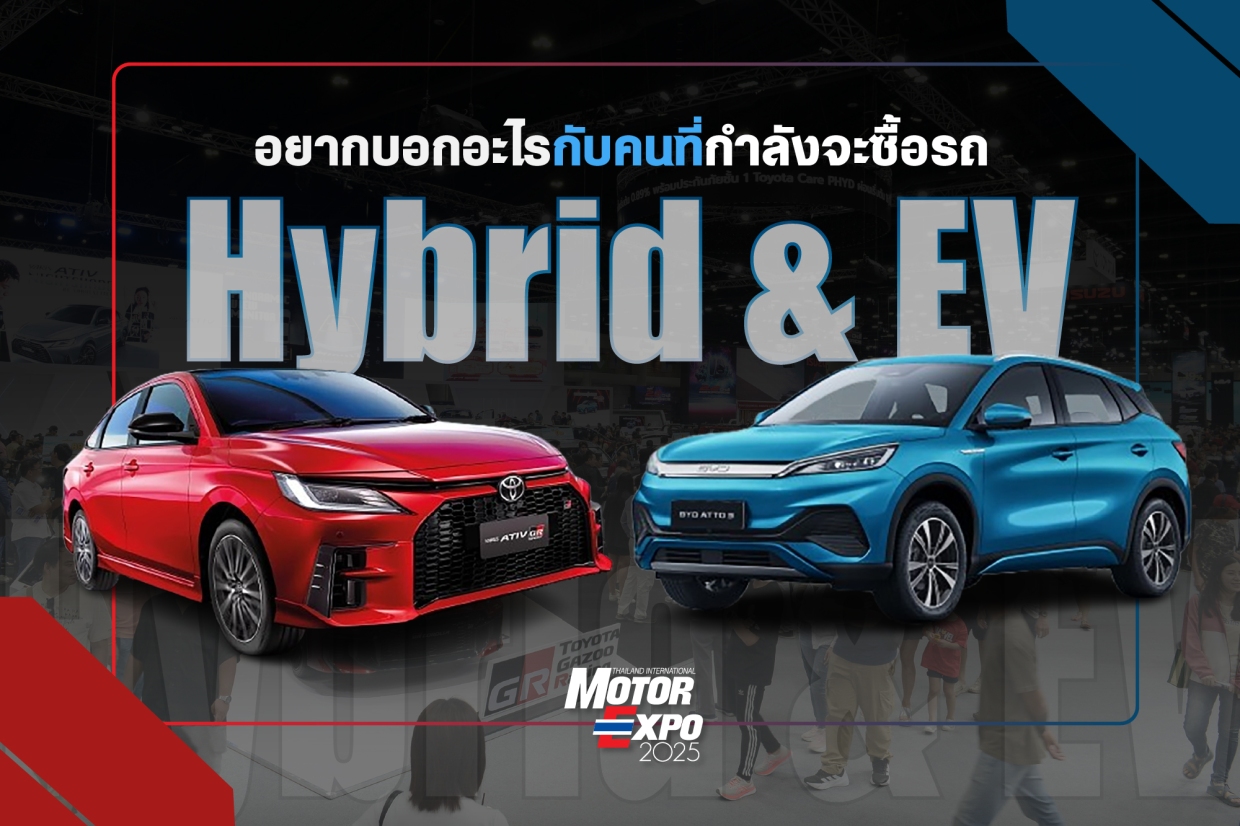
Buying a new car in this era is no longer just about “which model you like” but also about considering technology, powertrain systems, and long-term costs. Currently, we have a wide variety of car systems to choose from, whether it's hybrid cars (Hybrid) and electric cars (EV), which have become the most popular choices for Thais recently. But before deciding, there are still many things that “people who are considering buying a hybrid, or people who are considering buying an EV” might not yet know.
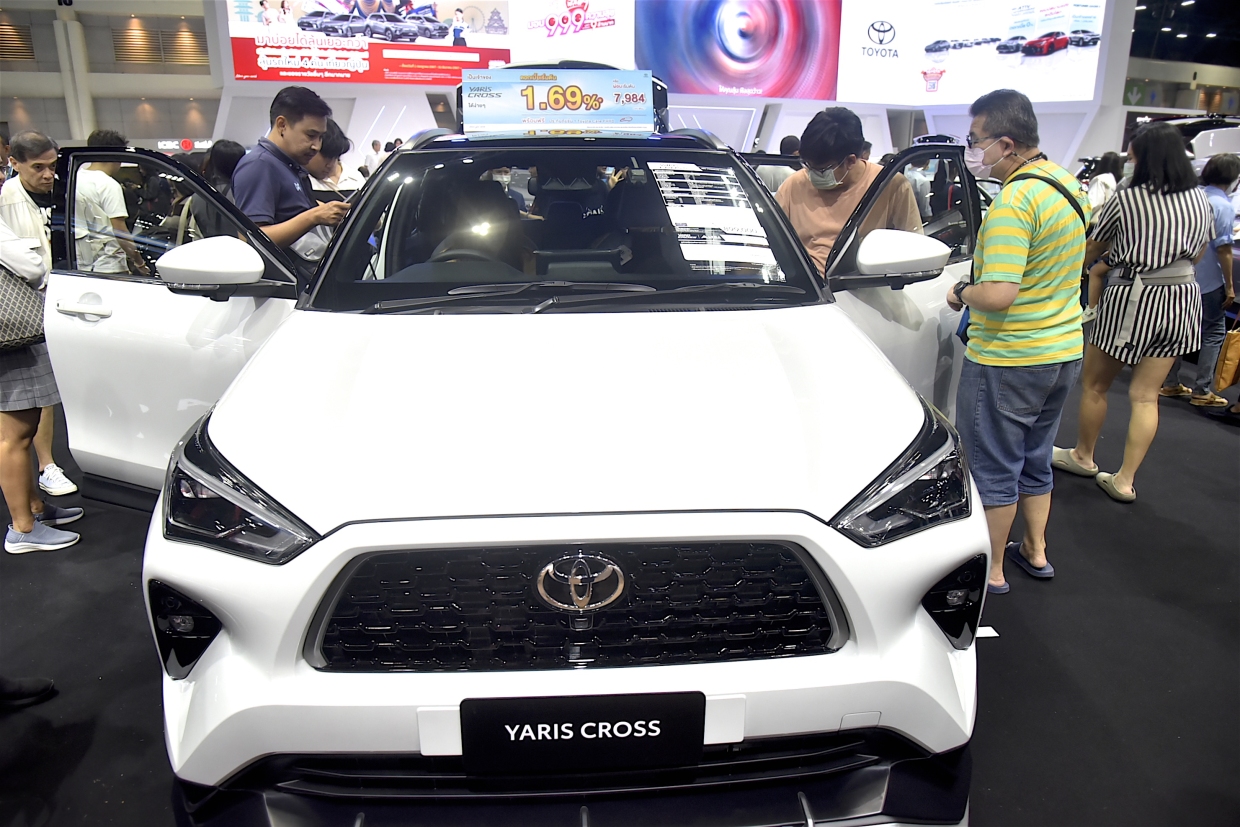

Although both systems are “more economical than internal combustion engines,” the usage styles of these two types of cars are very different. Don't buy it just for the word “economical.” You must buy it to match your lifestyle.
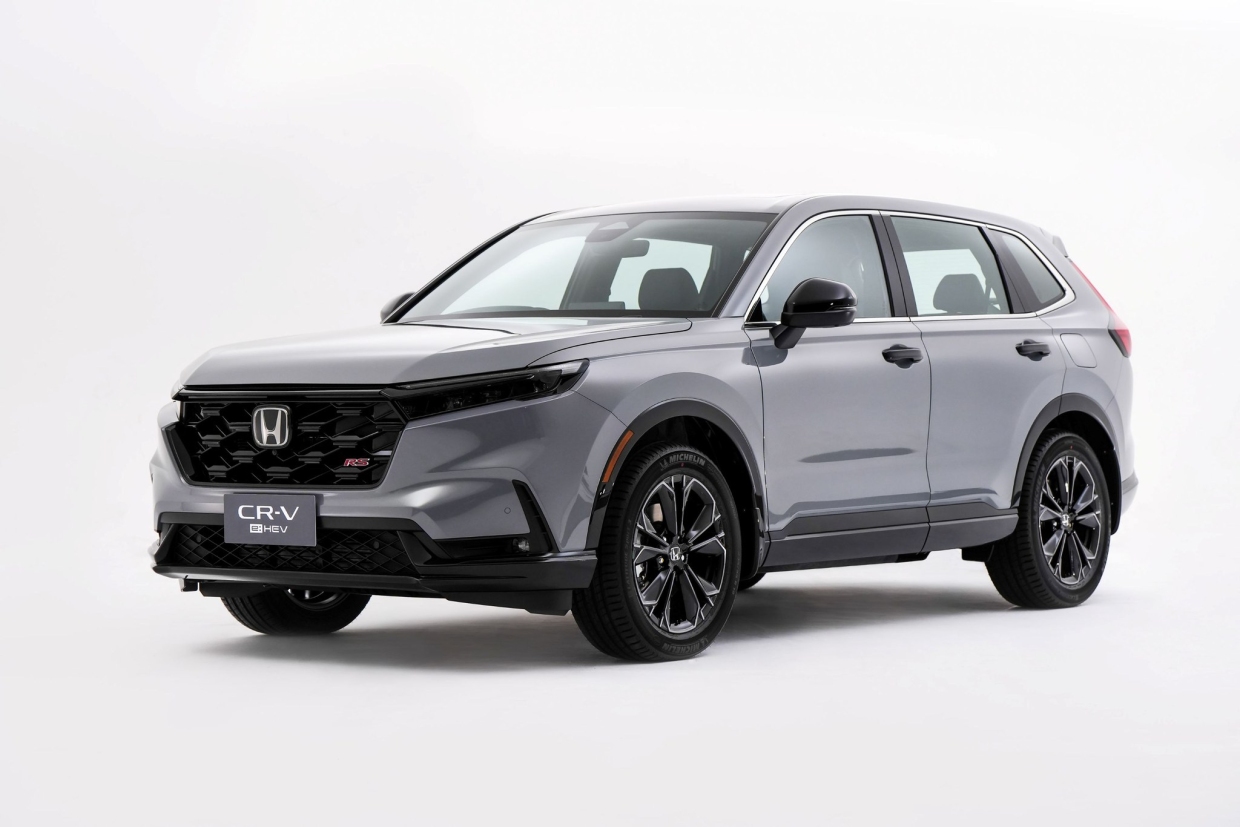
Hybrid (HEV) is a car suitable for city driving, heavy traffic, and daily commuting. It primarily uses gasoline but has electrical assistance to improve fuel efficiency and performance. There are also Plug-in Hybrid (PHEV) cars, another type of hybrid vehicle with a key feature: they can run purely on electricity by separating the engine and electric systems. They can be plugged in to charge, and the advantage is a longer range. However, the limitation is that charging is similar to an EV to regain power, instead of using the motor to generate electricity. If not charged, the energy consumption rate will be significantly higher than a normal Hybrid car. The total driving range is over 800-1,000 kilometers
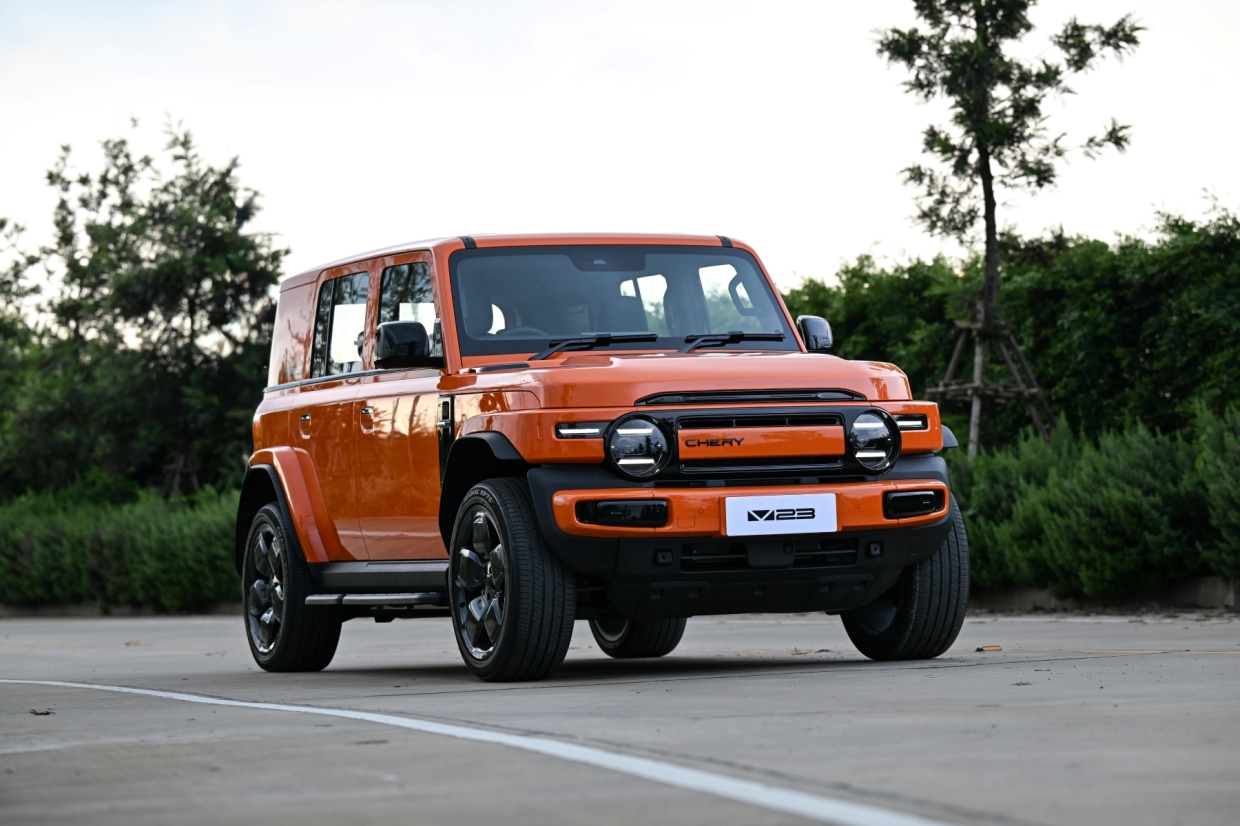
Electric (EV) is a car that focuses on using electrical energy and has no oil usage in the system at all. It lacks engine combustion. The technology is stable, quiet, powerful, and repair costs are cheaper. However, it requires charging infrastructure and travel planning in some areas. The driving range is 200-800 kilometers
Future Hybrid and EV owners commonly agree on the benefits of environmental friendliness (Eco-friendly), utilizing the latest technology, and experiencing quietness with minimal vibration and noise. Hybrid car users are satisfied with the more comfortable driving experience compared to combustion cars, good acceleration, and easy refueling plus charging. Meanwhile, EV users are satisfied with the use of advanced functions, convenience for short-distance travel, and importantly, the ability to charge at home.
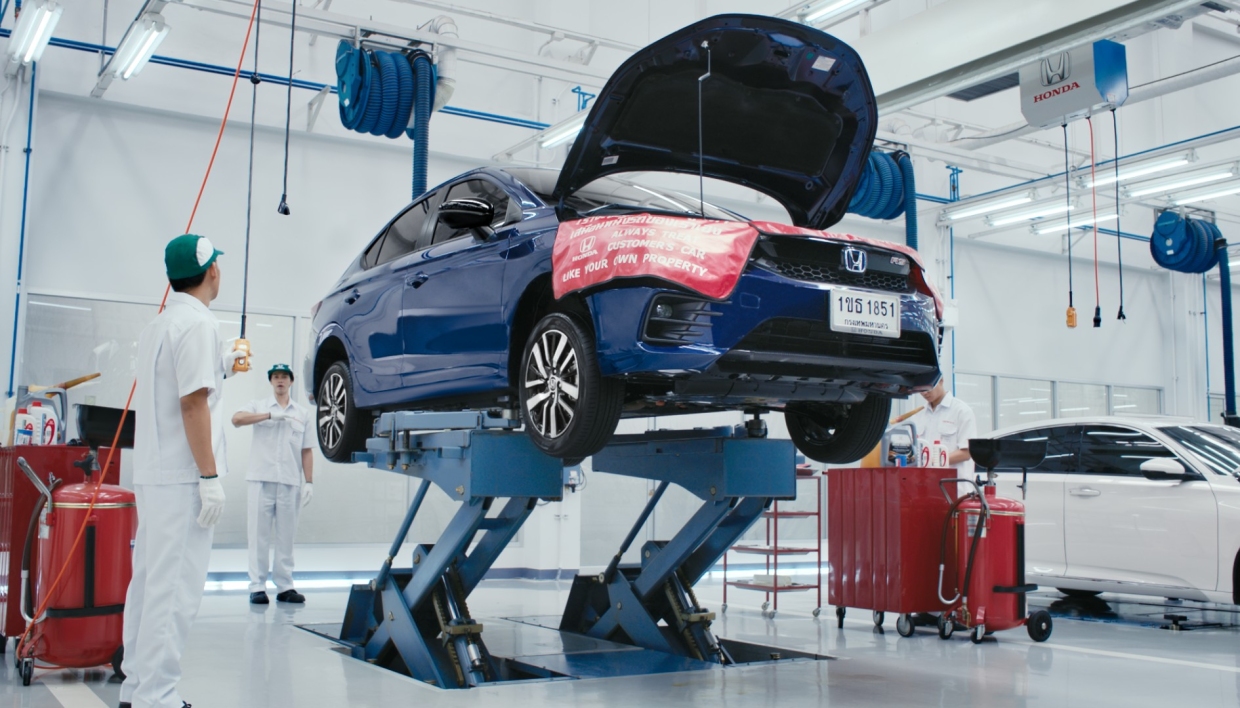
When buying a Hybrid or EV car, there's no "which is best, only what suits you best." Focus on your own driving behavior, then consider the technology and long-term costs. Study thoroughly to avoid post-purchase problems and get the car that truly meets your daily life needs.
In terms of EV electric vehicles, maintenance costs are lower. Key points are no engine oil, no spark plugs, and no exhaust pipes. Important maintenance involves checking the health of battery cells, as well as various inverter powertrain systems.
Hybrid cars still have engines and require maintenance similar to gasoline cars, but the electric system helps save more fuel than internal combustion cars.
Both systems use a shared battery pack, but it's not as fragile as one might think. Currently, the lifespan of the electrical system is no less than 8-15 years according to manufacturer specifications.
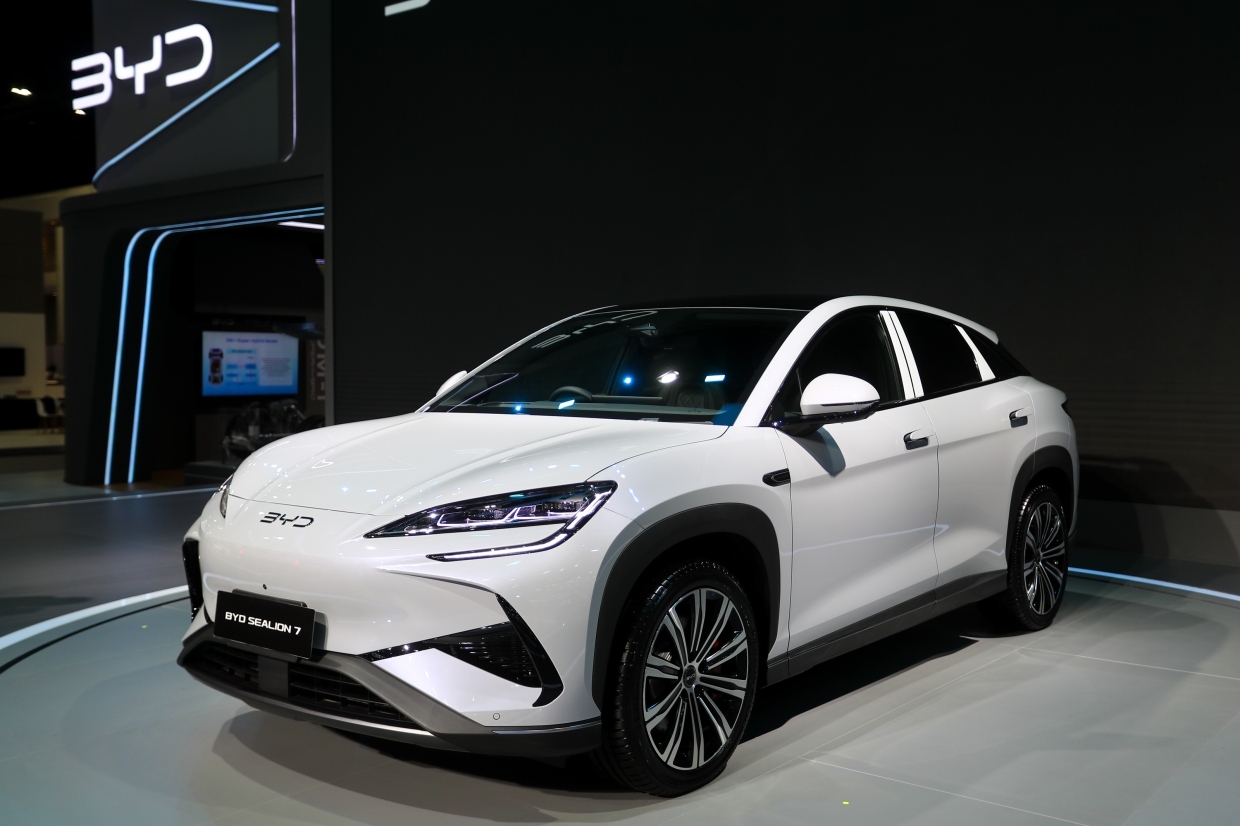
Hybrid cars still largely retain the characteristics of conventional cars, requiring both fuel for propulsion and maintenance involving fluid changes in other parts of the system. Furthermore, maintenance is not significantly different from conventional cars, making them easy to use without special adjustments or preparations. For those ready to switch from gasoline cars to full EV or electric cars, adaptation to car functions and preparing for charging space, as well as hundreds of thousands more in costs compared to hybrid cars, are necessary.
This year, many people have chosen to own electric vehicles, which means that if there are future changes in tax reduction measures or other assistance measures for electric vehicles, it could affect user satisfaction and potentially have a negative impact. This is because many brands bringing cars to market are still relatively new, and the reliability of their products, whether they will last and be worth it, remains an unanswered question that will require more time to prove.
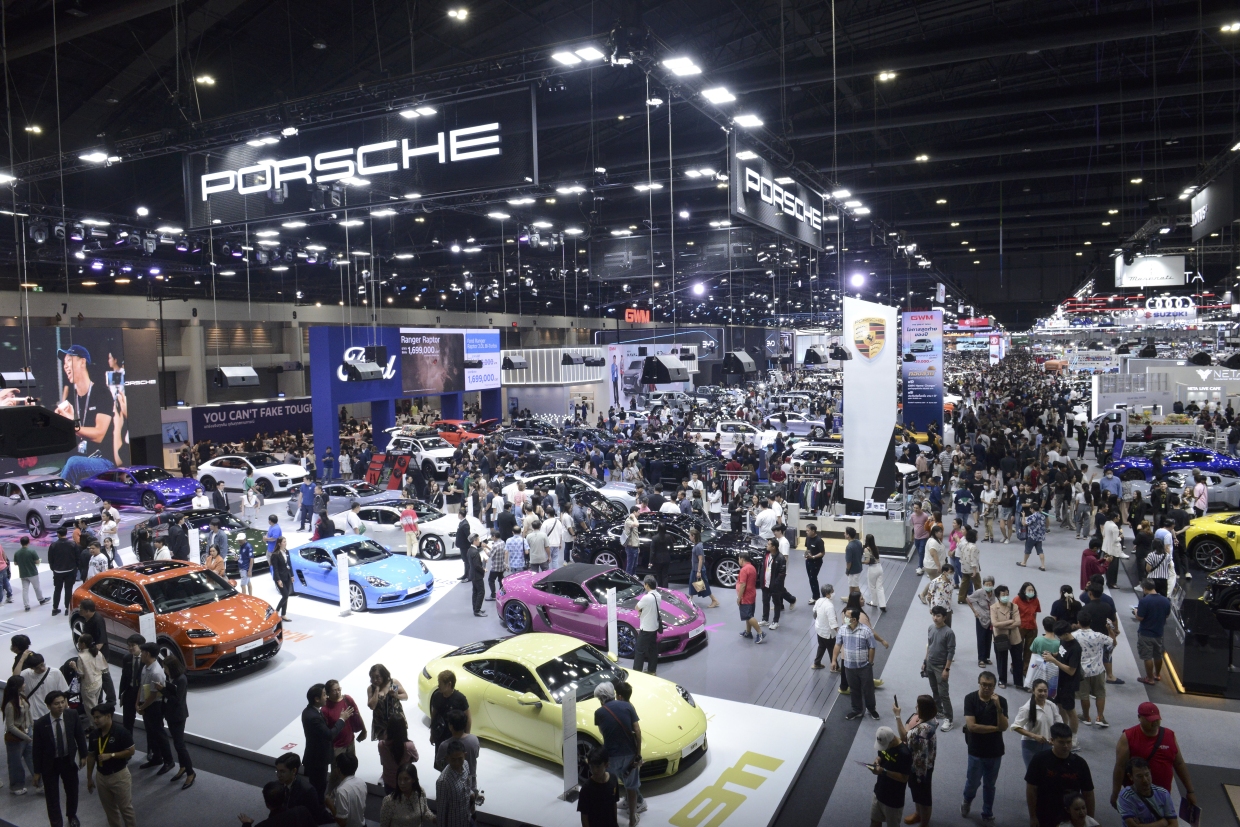


Follow Motor Expo Club Network