YOUR CART
IS EMPTY
IS EMPTY

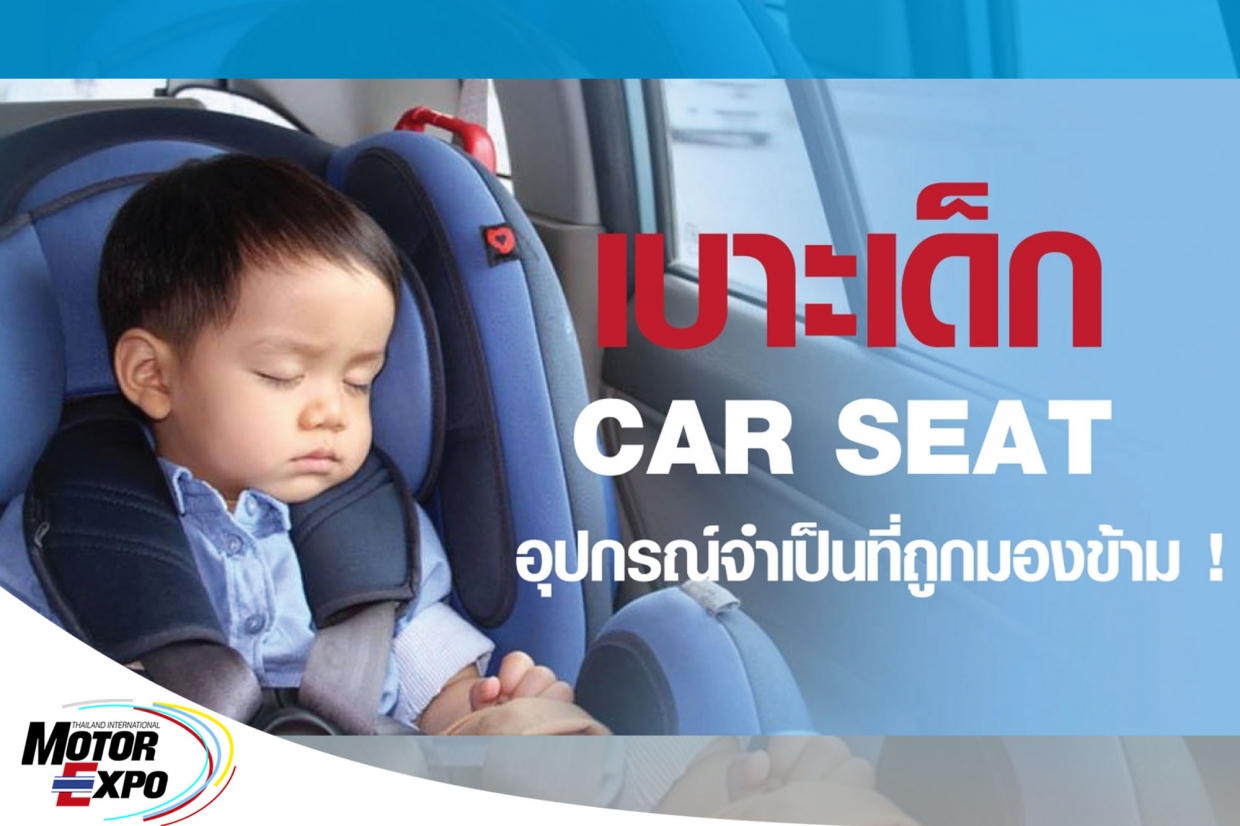
If you or those around you unanimously choose the latter, then... this is something parents with young children must consider! And prepare for prevention... Go find and buy a child seat or [Car Seat] for your little one right away.
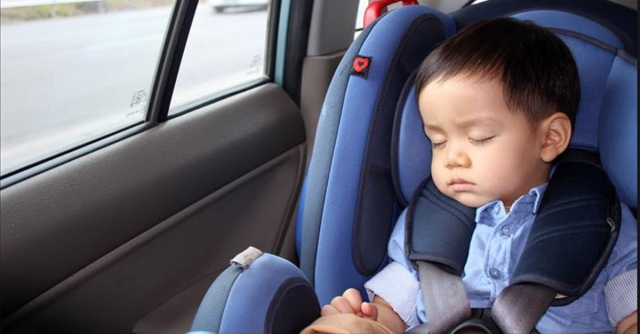
A child seat is indeed another safety device for children in cars. But the most important thing is to install a child seat in the car instead of holding the child on your lap or letting the child sit or stand in the car without restraint, as in the event of an accident, the child could be thrown out of the car. Therefore, children under 10 years old should always sit in the back seat, because if they sit in the front seat, the impact force from the airbag can harm the child. Importantly, they should sit in a specifically designed child seat, which will fit snugly and always have a fastened seat belt.
However, it's a good sign because nowadays, more and more modern parents are prioritizing their children's safety. Besides the importance of safety, it instills discipline in children. As they grow up, they must be taught to use seat belts. No matter where they sit in the car, they must always wear a seat belt because accidents can happen at any time. However, there are still many families who, as their children grow older, let them run around freely and have fun in the car without considering safety. As parents, we should instill discipline in them from a young age, so they understand and appreciate the importance of safety.
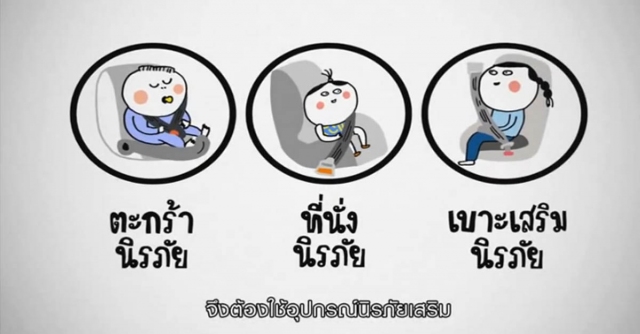
Since child seats are designed to suit the physique of children at each age, it is important to choose one that fits your child, as follows...
1. Infant car bed Used for premature babies with a birth weight under 2.5 kg, or newborns who require special care. It can be carried like a basket, placed in the car, belted, and always facing the rear of the car. If you want to use it, you'll need to invest a bit, as it only lasts for 4-5 months before needing replacement.
2. Rear-facing child seat Used for children from birth to 1 year old, weighing no more than 9 kg, and approximately 75 cm tall. This is because a child's neck is not yet strong enough, so in sudden braking, their neck will not fold forward, which is dangerous. It has head support to keep it snug and stable. Chinese models often only make this type and the infant carrier, then use it until the child is 10 years old by adjusting the headrest to extend. This certainly saves parents money, but the fit and safety are matters that need consideration.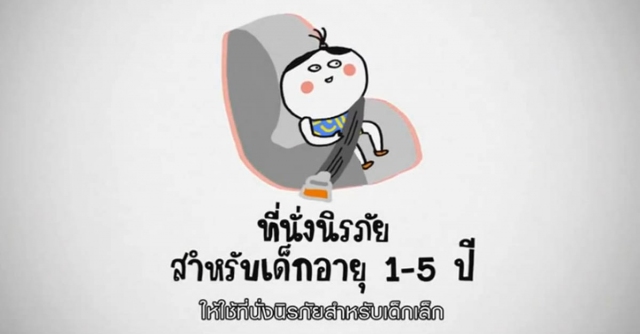
3. Forward-facing child seat Used for children aged 1-5 years, weighing 9-18 kg, and 75-110 cm tall. For this model, the child's neck is strong enough to face forward. It is slightly larger. It has a 3-point seat belt, available as a 3-point crotch buckle like a car seat belt, and a 4-point racing harness style. Children of this age still cannot use the seat belts installed in cars. It also has head support to keep it snug.
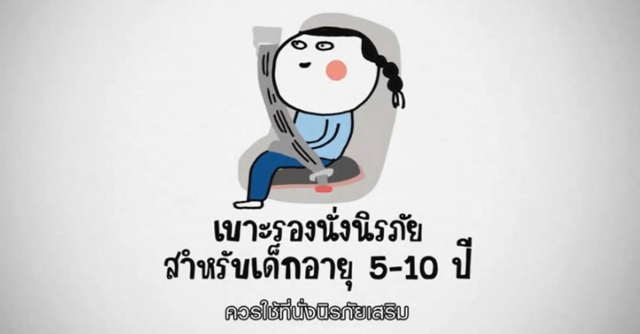
4. Booster seat Used for children aged 5-10 years, weighing 18-27 kg or more, and approximately 110-135 cm tall. There are both chair-like models with separate seat belts and models that raise the child's bottom, which helps the child to properly use the seat belt installed in the car. The use of infant car beds can reduce the mortality rate of infants under 1 year old by approximately 71%, while for toddlers using child seats, the mortality rate can be reduced by approximately 54%. It also helps reduce injuries requiring hospitalization by up to 69%.
If interested, you can find them in children's departments in large department stores or from current car dealerships, which often include them in their accessories category and for safety in their model-specific accessory brochures. However, since all child seats sold in our market are imported, when choosing today, in addition to relying on information from sales staff, you should also seek additional information such as the brand's reputation, manufacturer, country of manufacture, and industrial standards in the manufacturing country, to guarantee the quality yourself.
1. Sitting on lap, hugged tight, definitely safe
Stop! Don't let your child be an airbag! The impact force from an accident is more severe than you think. The hands tightly embracing your child are not enough to protect them. The best thing to do is to get a child seat for your beloved child. If a child seat is truly unavailable, children should only travel in the back seat, leaning towards the left or right. Under no circumstances should children sit in the front seat, because having children under 10 years old sit in the back seat can increase car safety by up to 37%.
2. No need for a child seat, just use the car's seat belt
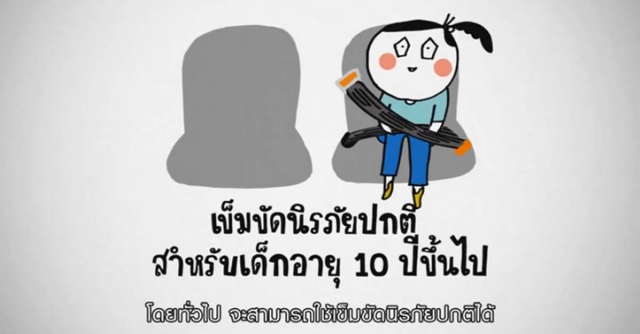
Seat belts installed in cars are designed only for adult physiques. Allowing small children to use a car's seat belt is much more dangerous than sitting in a child seat, or even sitting without any restraint at all. This is because a seat belt that cannot firmly secure a child's body will allow the child to slip out during an impact. Worse, the belt itself could become a deadly hazard, causing injuries to the body, such as the abdomen or neck, potentially leading to death. However, for children nearing 10 years old or who are large enough, a booster seat can be used, and then the car's seat belt can be fastened.
3. Using a child seat, but placing it in the front seat
When installing a child seat, consider the child's age and size. If the child is under 1 year old or weighs less than 9 kg, they should always be seated facing the rear of the car. This is because a child's head is very large relative to their body size, and their neck bones are not yet strong enough to absorb impact. Children aged one and a half years and older can sit facing forward, but they should always be in a child seat installed in the back seat only. They can sit in the front seat, but it must be rear-facing, and the condition is that the car must not have airbags, as the force from an airbag can be fatal to a child.
4. Provided with anchor points; using them or not makes no difference
Some car models come with child seat anchor points, while others do not. Similarly, some child seat models have latches to secure them to the car, but others do not. This reflects varying safety standards provided by car manufacturers and child seat manufacturers. It's important to note that if both your car and child seat have these anchor points, don't forget to secure them tightly, in addition to just using the car's seat belt. This is because in some car models, or in cases of severe collision, the car's seat belt alone might not restrain the occupant quickly enough. Modern child seat standards: In the past, a problem for parents using child seats was the difficulty of installation. Each type and brand had different installation methods, leading to potentially incorrect installations without realizing it, causing grave danger. A survey in the United States found that 80% of users had installed them incorrectly, and in Germany, it was 63%. Therefore, a new, uniform standard is needed for both car manufacturers and child seat manufacturers to make child seat installation easy and less confusing than before.
Compiled from autoinfo.co.th "Formula" / 4Wheels Magazine
Image/Clip Source : Raam / SocialMarketingTH SSS. / Baby on Board


Follow Motor Expo Club Network