YOUR CART
IS EMPTY
IS EMPTY

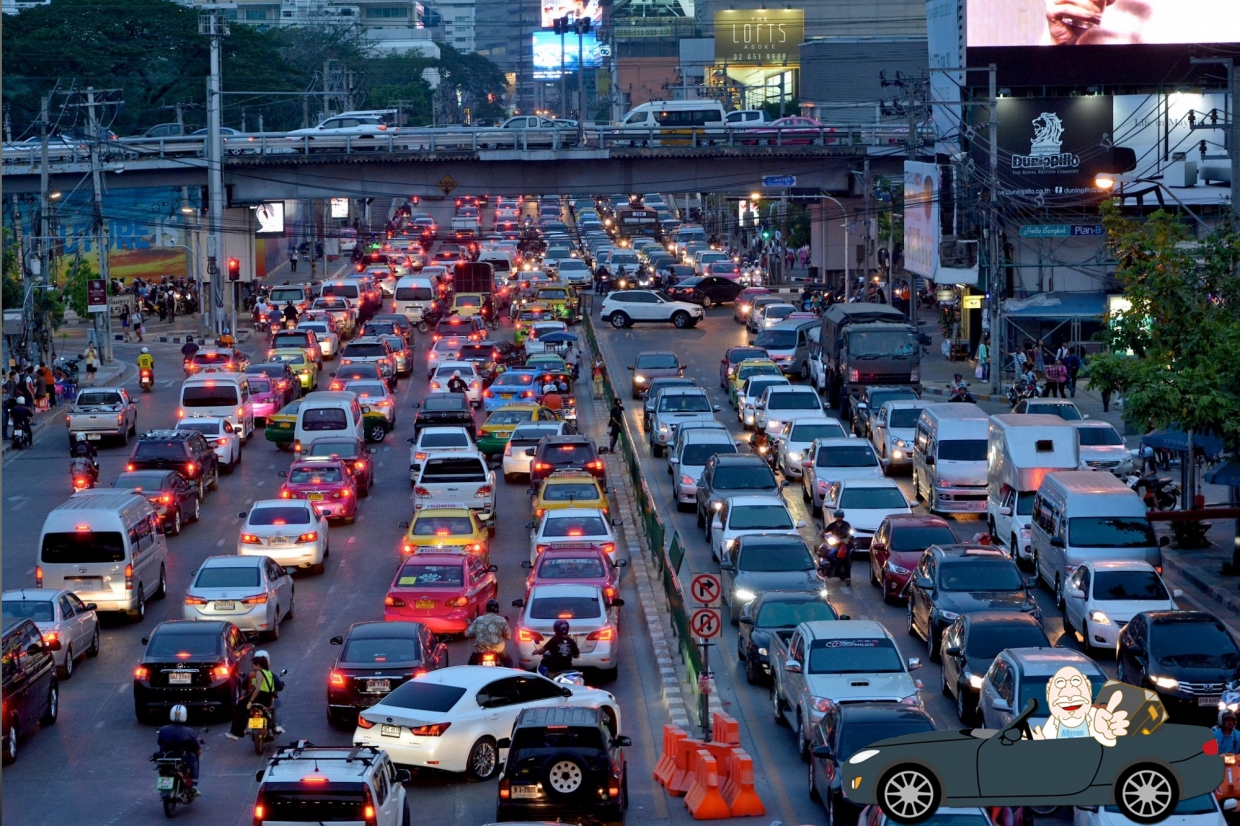
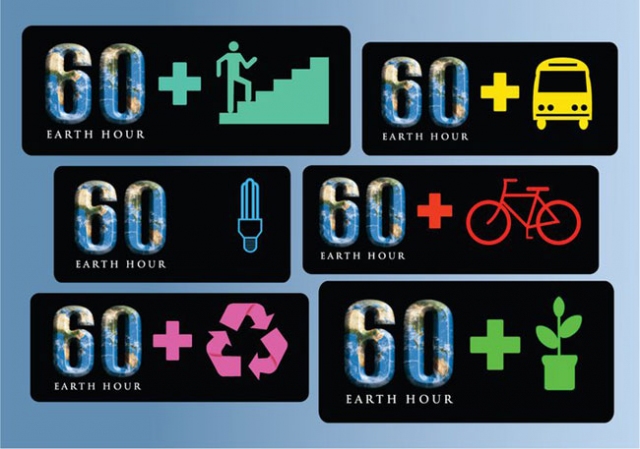
Image from Facebook https://www.facebook.com/earthhour
Global warming is considered a major global problem that affects everyone. Most of it is caused by human hands. Therefore, there is an invitation for people all over the world to join together to "Turn off lights for 1 hour to reduce global warming." This year, it is also set for March 30, 2019, from 8:30 PM to 9:30 PM, along with major cities in 188 countries worldwide. So, let us all seriously take action. Don't think it's not your business; start with yourself or your family, because reducing global warming is something everyone must help do. We all play a part in creating this problem. Let's cooperate... let's be a part of solving global warming.
And not just by turning off unused lights, did you know that carbon dioxide emissions from "cars" or various vehicles are also a significant contributor to global warming? Therefore, as vehicle users, we can help reduce global warming in many ways. Some methods require almost no investment, no effort, and even get money back. You just need to pay more attention and have a genuine intention to eliminate excessive energy consumption. Let's see what they are.
We must stop idling to warm up the engine. Besides wasting fuel, it also increases air pollution. If you start driving slowly for the first 1-2 km, the engine will warm up on its own, eliminating the need to waste fuel on warming up and preventing pollution from vehicle exhaust emissions.
Because the engine works according to the increased weight. Overloading will result in higher fuel consumption and wear.
For short distances, you can walk or cycle instead, or use public transportation more often. This is because driving a car for 1 mile releases 1 pound of carbon dioxide *the number of cars on the road, which also helps indirectly reduce carbon dioxide emissions.
Driving with underinflated tires can increase fuel consumption by up to 3% from normal. Every liter of fuel saved reduces carbon dioxide by 20 pounds.
Study the route and plan before every trip to avoid getting lost, wasting time, and unnecessary energy.
As we commonly say, "revving the engine," doing so 10 times wastes 50 cc of fuel. With this amount of fuel, a car can travel 350 meters.
or drive at a speed not exceeding 90 kilometers per hour. This will help reduce fuel consumption by 20%, or equivalent to a reduction of 1 ton of carbon dioxide per car driven approximately 30,000 kilometers per year.
Accelerating abruptly 10 times wastes 100 cc of fuel. With this amount of fuel, a car can travel 700 meters.
Consider your family size and usage benefits to reduce unnecessary fuel consumption, as well as choosing the most environmentally friendly model.
Do not leave the engine idling when parked. Leaving the engine idling not only wastes fuel but also creates pollution. And leaving the engine idling for 10 minutes wastes 200 cc of fuel.
Using a higher octane rating than necessary not only wastes energy pointlessly but also requires paying extra money (check inside the fuel tank cap or the car's owner's manual).
To check for engine abnormalities proactively, and you should change engine oil, oil filter, and air filter at appropriate intervals to save fuel. This will help reduce engine fuel consumption by up to 10%.
See? It's that simple for us to help reduce global warming. Even if we know many effective ways to reduce global warming, if we neglect and don't care to start fixing it, the global warming problem might be too late to solve. Love the Earth, conserve energy starting today.
Try to give yourself the opportunity to do new things, such as cycling, taking public transport, or choosing to walk if you need to travel short distances, or taking the stairs instead of the elevator to help save energy. It's this simple, you can do it right now… for the world!


Follow Motor Expo Club Network