YOUR CART
IS EMPTY
IS EMPTY

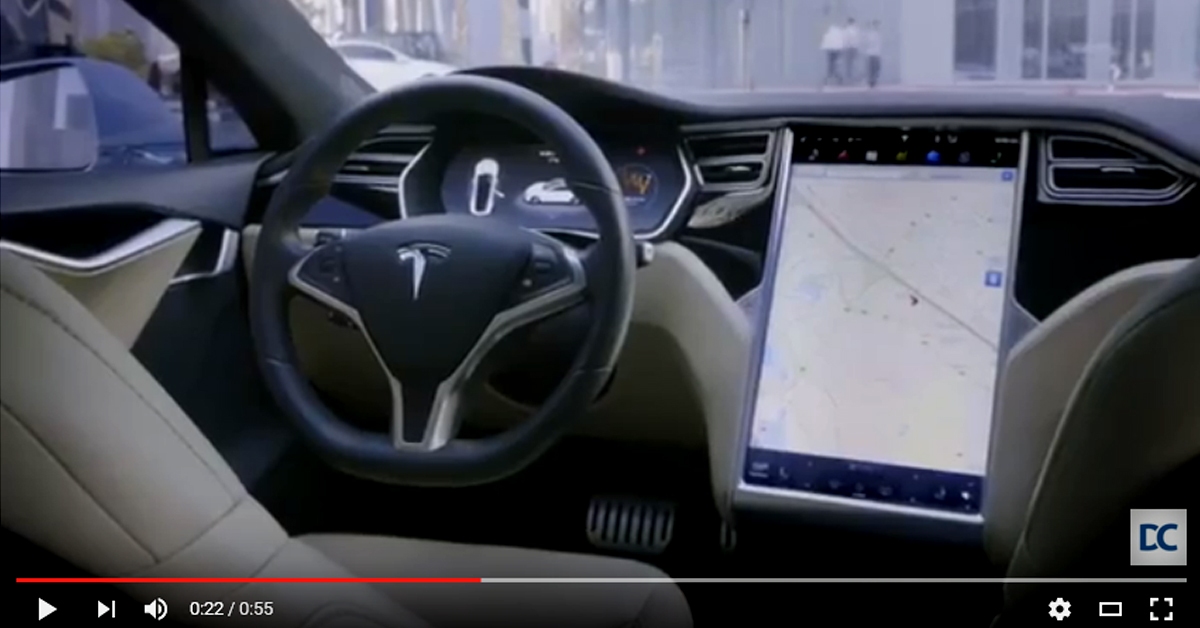
While we may not be able to experience fully autonomous vehicles on the road in the near future, they will gradually play a role in reducing travel fatigue or lessening the need to drive in monotonous situations, such as finding parking, very soon.
Soon, the profession of "driver" will certainly become obsolete. Recently, Dubai has set a goal that by 2030, 25% of all vehicles on the road must be developed into smart and driverless public transport systems. It is also expected to increase the efficiency of driverless vehicle transport systems.
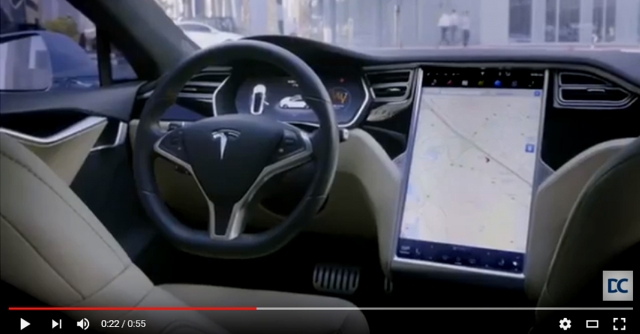
[Clip] Driverless Taxi
Because... modern vehicles are increasingly equipped with advanced human-car connectivity systems. These systems can be operated and controlled by voice or by touching the smartfrontendscreen installed at the factory, or by commands through smartphone applications connected via CAR PLAY and ANDROID AUTO technologies. These functionalities include checking the current status of the car, theft alerts, engine malfunction analysis, etc.
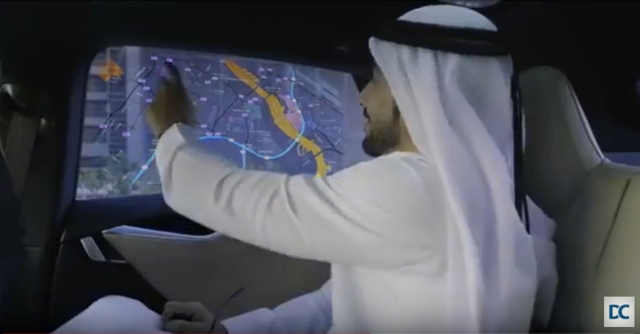
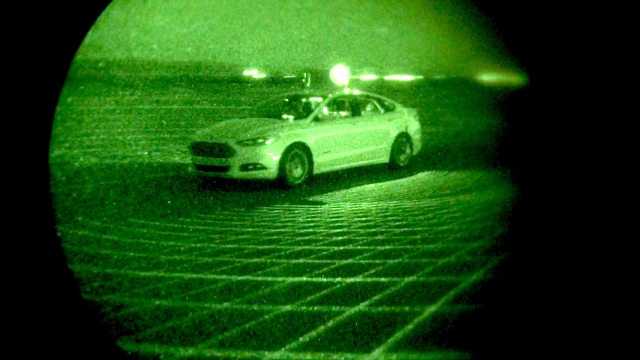
There are also systems connecting the car and its occupants to the outside world, notably navigation and positioning systems that work with satellites. One reason for the rapid development of connectivity technology between cars, people, and the outside world is that itis a key success factor for autonomous vehicles or driverless vehicles, which is the goal of both old and new manufacturers.
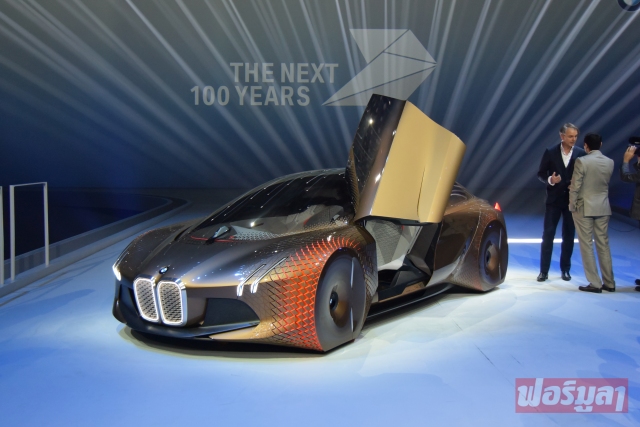
It won't be long before we have the opportunity to experience smart vehicles, fully equipped with cutting-edge technology that will completely connect cars, people, and the world. This aligns with the "33rd Motor Expo" or The 33rd Thailand International Motor Expo 2016 under the concept of "Connect the World ... Connect People: Smart Vehicles".
The world is changing breathtakingly fast. So, what are you still doing?!
Source Clip




Follow Motor Expo Club Network