YOUR CART
IS EMPTY
IS EMPTY


Truth that car owners must know!! Do modern red-plate cars still need to be -run-in-?... A considerable number of buyers of "new cars" at Motor Expo 2018 or the 35th Thailand International Motor Expo are "newbies" and it's their "first car" . Their experience in using cars may not be extensive, especially concerning usage. Many friends have also raised questions asking whether modern red-plate cars, due to significantly advanced technology, still need to be "run-in" for the first 1,000 km like cars from the past?
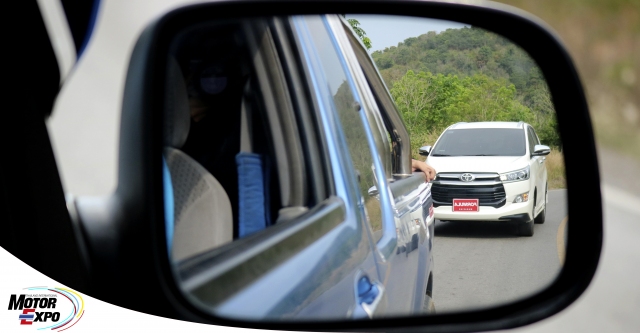
Even though the manufacturing mechanism is very precise, there is still a chance that the engine is not perfect, so it should be run-in for 1,000 km first to extend its lifespan. If not run-in, problems will occur with the car in the long run, such as the engine loosening faster than usual. The best way is during the first 1,000 km: do not keep the engine speed above 3,000 rpm for a long time, and should not use engine speeds exceeding 4,500 rpm. However, you can accelerate to overtake the car in front for short periods.

Currently, manufacturing technology in the automotive industry has advanced significantly. Most production machines are controlled by computer systems, so the resulting parts are much more precise, accurate, and consistent than in the past. The cylinder surface is also well-made. When assembled with the piston, problems with the piston pressing against the cylinder (meaning some pistons are manufactured slightly larger than normal, and some cylinders are manufactured slightly smaller than normal) rarely occur. Mostly, if not run-in, it tends to cause long-term problems, such as the engine loosening faster than usual, etc.
In reality, cars freshly assembled from the factory, especially the “engine”, should be run-in before delivery to the customer. However, due to various constraints, such as time or different costs, it is not possible to run-in for customers (except for some very expensive car brands). Therefore, only basic testing can be done.
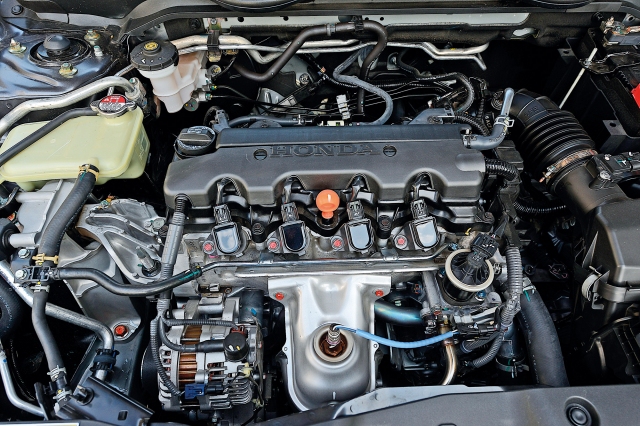
The correct practice is: when you get a new car, during the first 1,000 km.
-Do not use engine speeds exceeding 4,500 rpm.
-But if necessary, such as accelerating to overtake for short periods, it is permissible.
-After that, you can gradually increase engine speeds for short intervals.
-But do not keep the engine speed above 3,000 rpm for extended periods.
-After completing the 1,000 km run-in period.
-Open the hood to check for any oil stains. If there are none and the engine shows no abnormal symptoms, you can use the new car like a regular car.
Source : Article: autoinfo.co.th
Thanks for the accompanying images from: Siblings Try Cars


Follow Motor Expo Club Network