YOUR CART
IS EMPTY
IS EMPTY

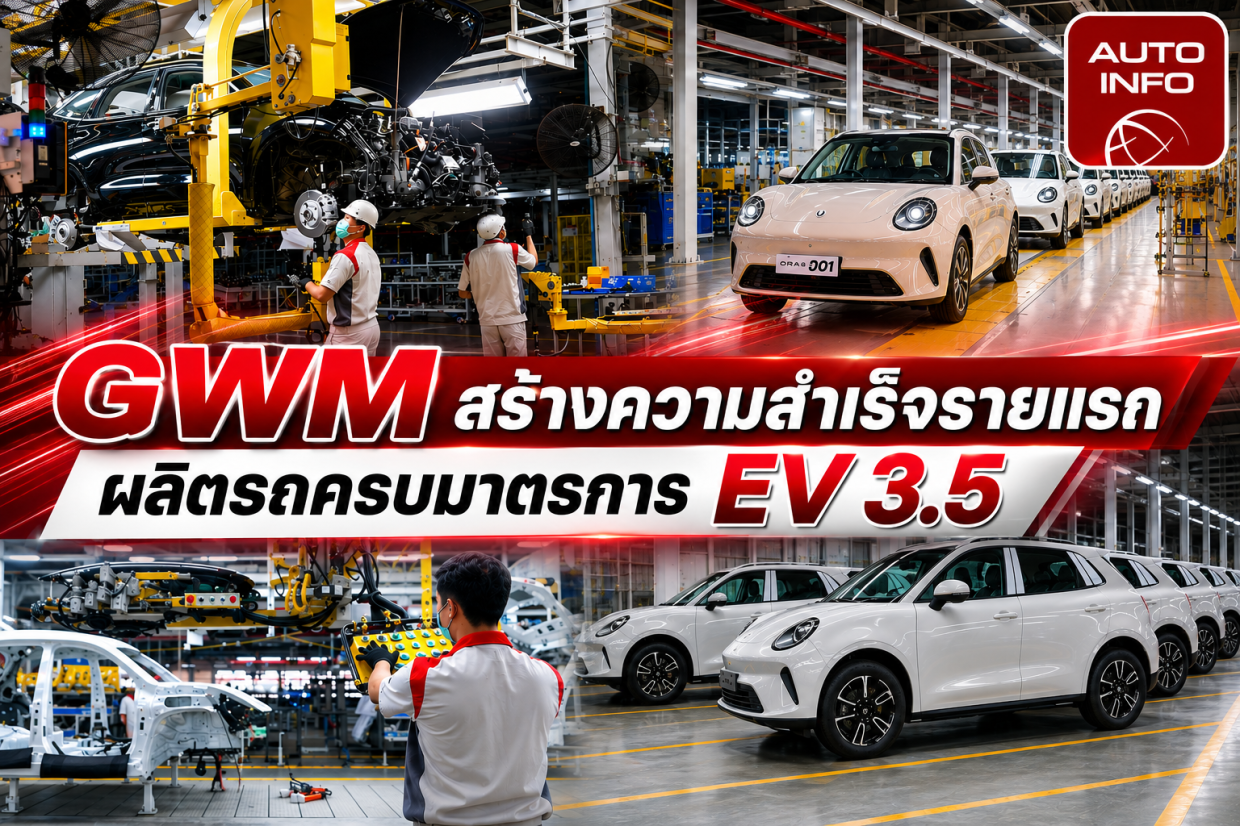
GWM (Thailand) announced its success in the Thai automotive industry by becoming the first automaker to produce electric vehicles domestically to offset imports, fully complying with the conditions of the Electric Vehicle Support Measure Phase 2, or EV 3.5, before the measure ends. This reflects the outstanding potential of the GWM Smart Factory and reinforces its commitment to long-term business operations based on transparency and strict adherence to agreements with the government. This serves as proof of its ethics and sincerity as an investor that both the government and consumers can trust, while also helping to drive Thailand towards becoming a tangible Electric Vehicle (EV Hub) in the ASEAN region.
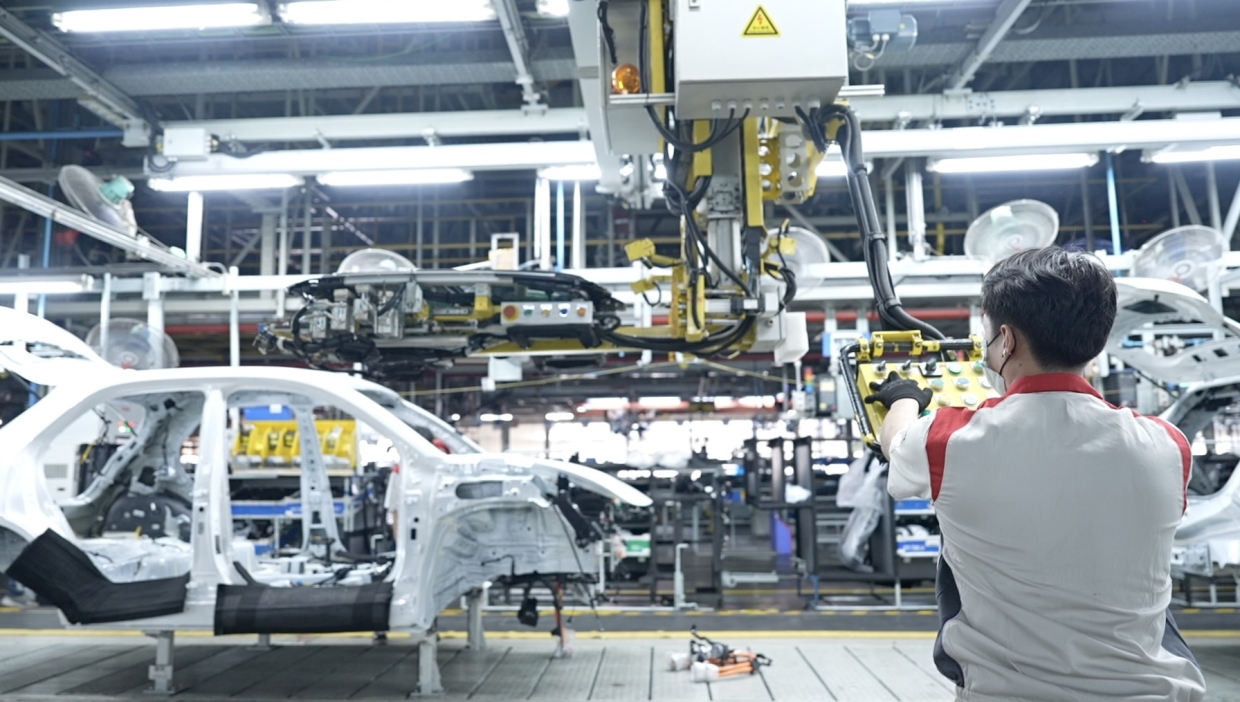
Recognizing the potential of the Thai automotive industry and the growth of electric vehicles in the country, GWM signed agreements to receive benefits under the electric vehicle support measures for both Phase 1 or EV 3.0 (2022-2025) and Phase 2 or EV 3.5 (2024-2027) to promote the expansion of the electric vehicle industry and key components in Thailand, and to push Thailand to become a regional EV production base in line with the Thai government's 30@30 policy. GWM was the first company to begin producing electric vehicles in Thailand at the GWM Smart Factory in Rayong Province. Furthermore, it was the first to fully comply with the conditions under EV 3.0 in 2025. And most recently, in July 2026, GWM achieved its goal of producing electric vehicles to fully offset imports according to EV 3.5 conditions, making GWM the first automaker to fully comply with the requirements under the Electric Vehicle Support Measure (EV 3.5), with the popular smart electric vehicle GWM ORA 5 EV playing a crucial role in driving this success.

The complete production to offset electric vehicle imports according to EV 3.5 conditions confirms the company's good planning, strict adherence to agreements, and establishes trust and a good example for participants in the government's measures, to support Thailand in remaining an electric vehicle production base, following the success of pickup trucks and eco-cars in the past. GWM will continue to fully produce electric vehicles in Thailand to meet domestic customer demand and support future exports.

The electric vehicles sold in Thailand will primarily come from the production line of the GWM Smart Factory in Rayong Province, which is an integrated automotive production base operating under the Smart Factory concept. It is also considered a center for right-hand drive vehicle production in Southeast Asia, with the potential to produce various powertrain systems on the same production line, including Battery Electric Vehicles (BEV), Hybrid Electric Vehicles (HEV), and Internal Combustion Engines (ICE), with a maximum production capacity of 80,000 units/year.
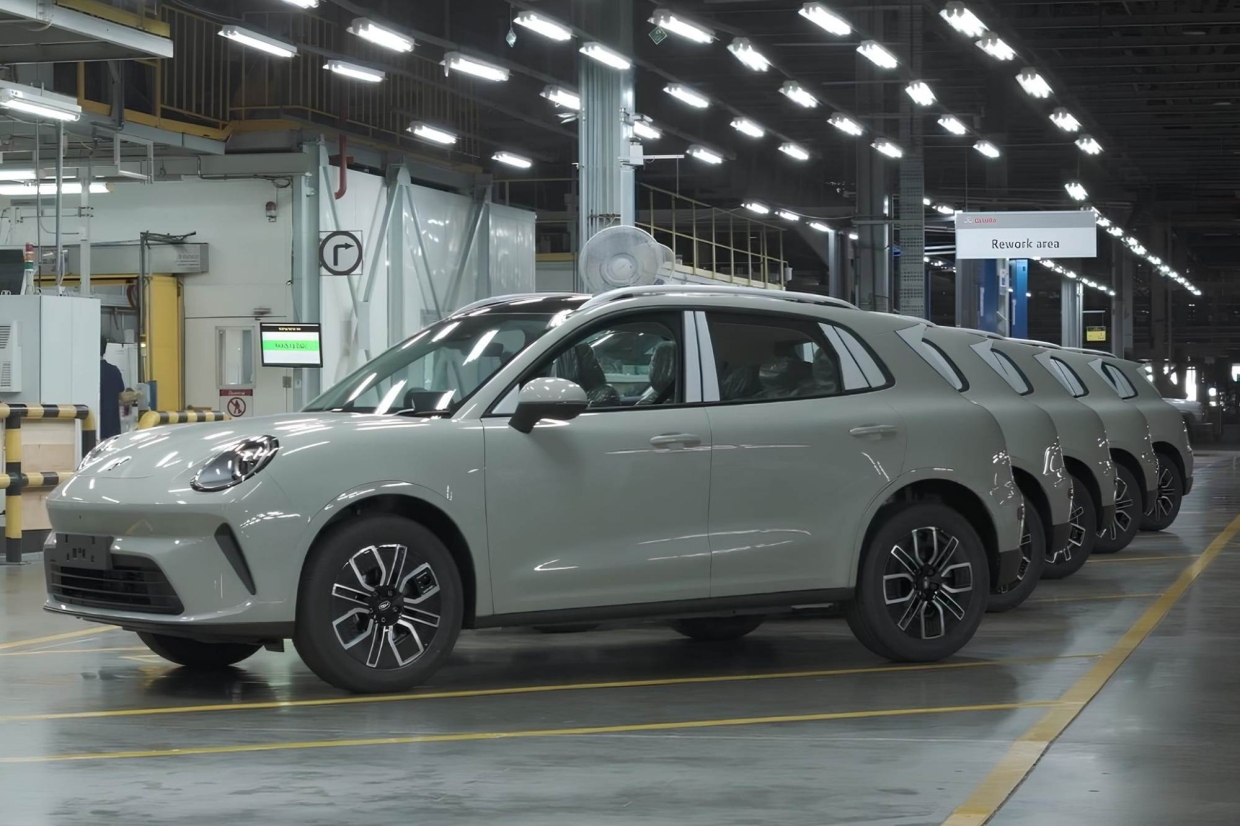
Concurrently, GWM will continue to increase the use of parts from manufacturers in Thailand (Local Content) to over 50% and continuously expand cooperation with local partners to strengthen the domestic supply chain, boost economic value, support job creation for over 1,100 Thai employees, and enhance the long-term competitiveness of the Thai automotive industry.

GWM remains committed to delivering excellent products and services to Thai customers and fully supports government policies to foster sustainable growth for the Thai automotive industry, enhance the strength of the electric vehicle ecosystem, and drive Thailand towards becoming the EV production hub of the ASEAN region in the future.


Follow Motor Expo Club Network