YOUR CART
IS EMPTY
IS EMPTY

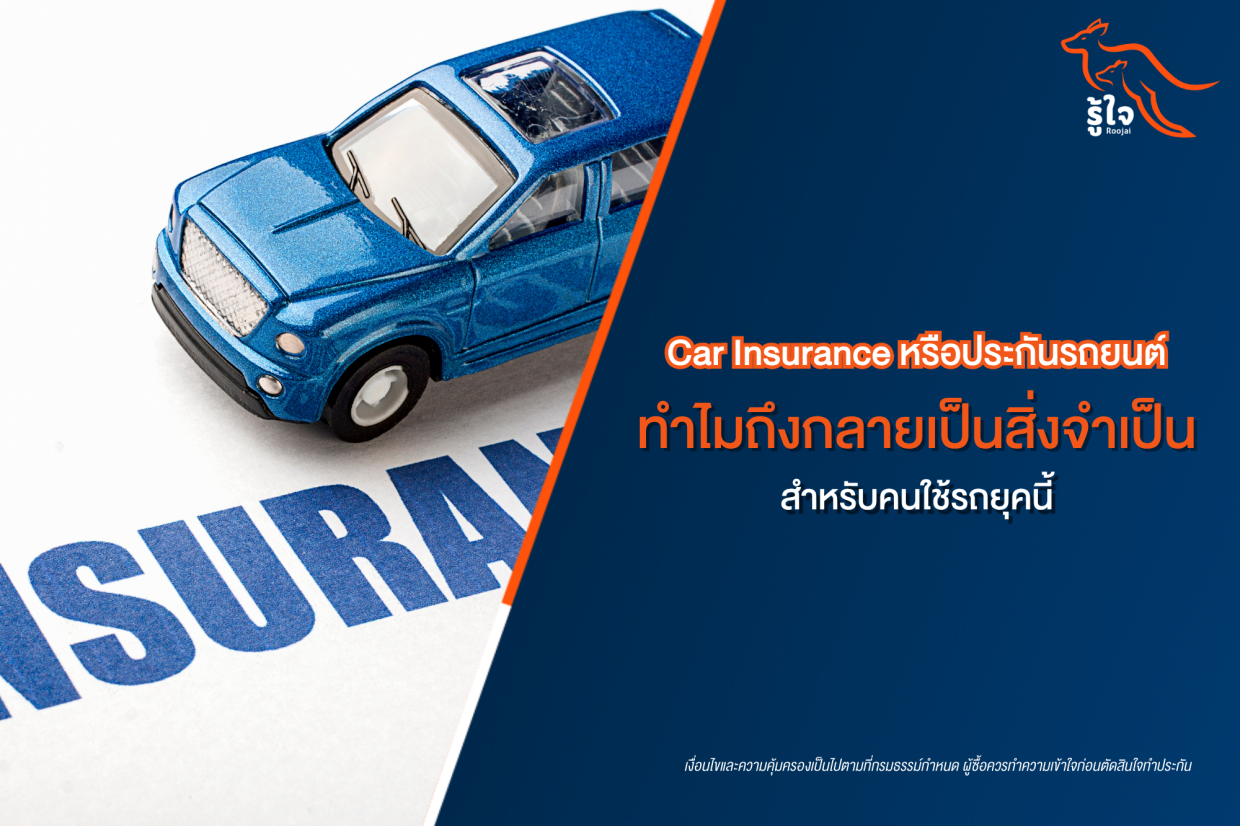
Car insurance has clearly become more important over the past few years because almost all costs associated with cars have increased, whether it's repair costs, spare parts costs, maintenance costs, or even medical expenses in case of an accident.
In the past, many people might have viewed car insurance as just an annual expense that might not be used. However, this idea is now changing because road accidents can happen at any time, and when they do, the damages are almost always higher than expected. This is especially true for new car models that are full of technology, including sensor systems, cameras, brake assist systems, and various driving assist systems. While these help increase safety during use, they also lead to higher repair costs.
Minor accidents, such as collisions, may not just end with a paint job like in the past. They might require replacing electronic parts or specialized equipment costing tens of thousands of baht. At the same time, road risk factors have increased, including the rising number of vehicles, traffic conditions, speed usage, and unpredictable weather.
Therefore, car insurance is not just about peace of mind but an important tool for financial risk management. Because if an accident truly occurs, insurance will greatly help reduce the burden of large expenses that could affect liquidity or daily living costs. Especially for those who use their car every day, travel long distances frequently, or need to use a car for work, without insurance coverage, a single instance of damage could impact long-term finances more than expected.

One common observation is that many people primarily choose car insurance based on the cheapest premium price.
They think that all insurance companies offer similar coverage, but in reality, policy details, claim conditions, service quality, and repair garage networks greatly impact the actual user experience.
Currently, there are various types of car insurance to suit different usage characteristics. Type 1 insurance remains the most popular type because it provides comprehensive coverage for car collisions, theft, fire, floods, and even incidents without a counterparty. It is suitable for new cars, daily drivers, or those who regularly travel long distances. Meanwhile, Type 2+ and Type 3+ insurance are suitable for older cars or those who want to reduce premiums while still maintaining essential coverage.
However, many people still misunderstand that Type 1 insurance covers all cases, when in fact there are exceptions, such as using the car for the wrong purpose, speed racing, or modifying the car without informing the insurance company, which may lead to a denial of coverage.
Furthermore, what is just as important as the policy itself is after-sales service, because when an actual accident occurs, what car users need most is prompt assistance, clear coordination, and access to standard repair garages or service centers.
Therefore, choosing good car insurance should consider the car's usage characteristics, regular operating areas, service quality, and suitability of coverage, rather than just looking at the premium amount alone.
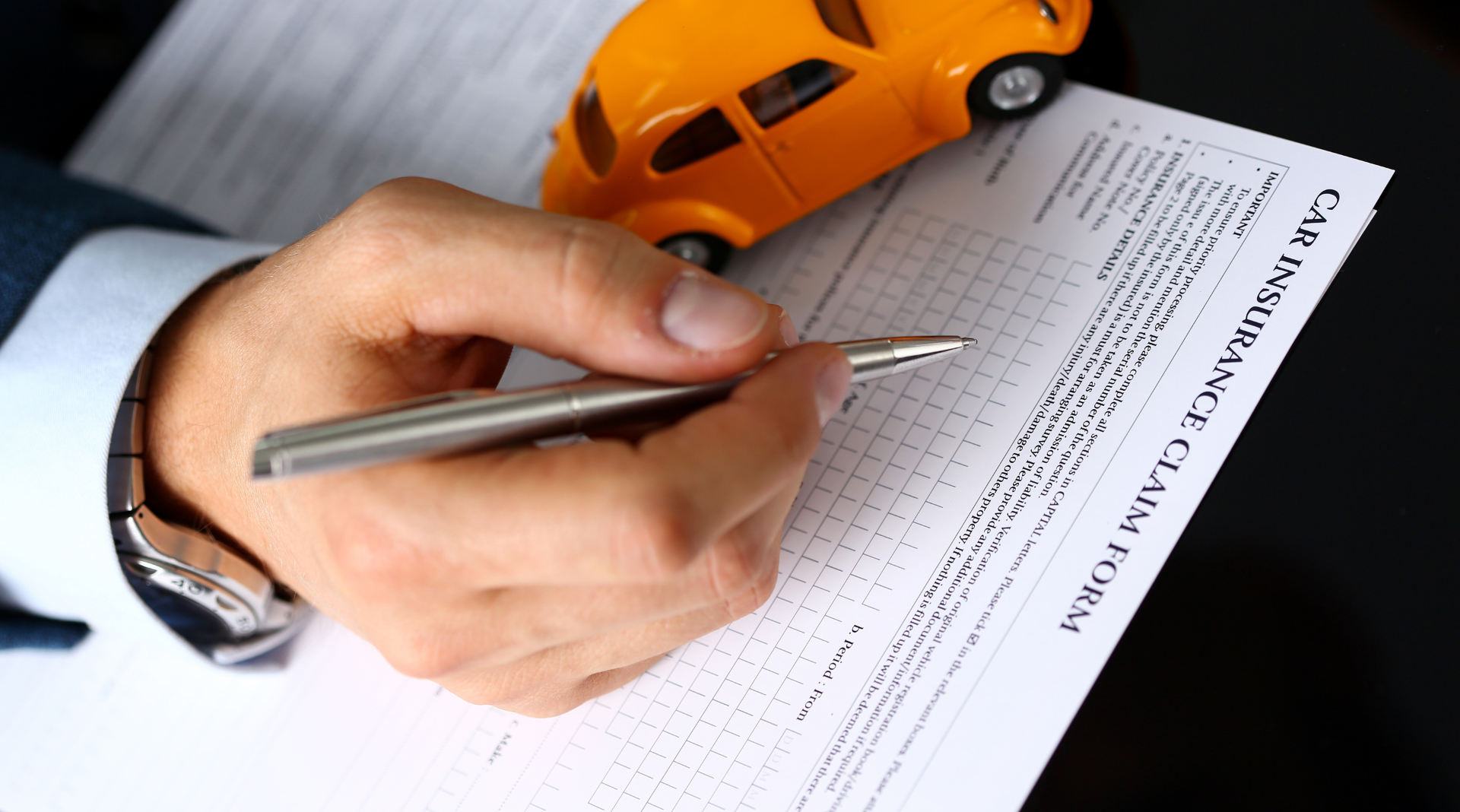
Nowadays, cars are no longer just a means of transportation but have become an integral part of many people's daily lives, whether for commuting to work, using a car for business, or traveling. This increases the time people spend on the road, and with increased car usage, the likelihood of accidents also rises. Many might think they drive carefully and won't have problems, but in reality, many accidents result from uncontrollable factors such as other cars cutting in front, poor road conditions, or unexpected events happening in a split second.
Having Roojai car insurance is therefore like a long-term financial risk prevention plan because it helps reduce the impact when unexpected events actually occur. Additionally, many insurance companies offer supplementary services, such as 24-hour assistance services and replacement car services during repairs, which are very useful in real life. Ultimately, car insurance is not about hoping to use it, but about being prepared for situations no one wants to happen. Because when they do, at least there is a system to help cover costs and clearly reduce the impact on life, making long-term car usage more confident, safer, and better managed.


Follow Motor Expo Club Network